FMCSA English Rule Returns to Roadside Compliance
FMCSA English-language enforcement is back in the roadside inspection conversation after years of uneven application. Fleets that operate interstate CMVs now have another driver-qualification item to document before an inspection tests it.
A revived qualification rule
FMCSA's English-language proficiency rule is again a live roadside compliance issue for interstate commercial motor vehicle operators, after years in which enforcement guidance shifted and out-of-service treatment was uneven.
The requirement itself is old. Transport Topics reported on July 11 that the current environment reflects a return to a rule that dates to 1937. FMCSA regulations say a driver who cannot sufficiently read and speak English, or understand highway traffic signs and signals, is not qualified to operate a commercial motor vehicle.
How inspections apply it
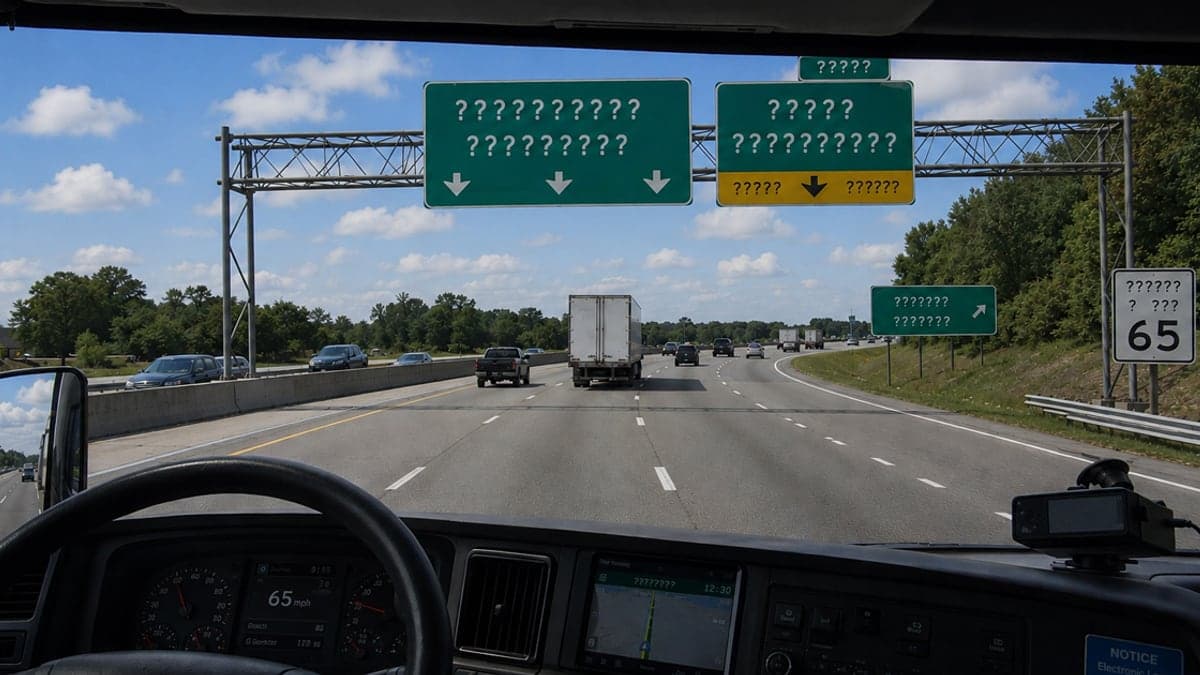
FMCSA's current roadside enforcement FAQ says inspectors should evaluate whether a driver can respond to official inquiries and, when required, understand road signs. The agency also says SafeSpect violation codes tied to 49 CFR 391.11(b)(2) were implemented on June 25, 2025, so most failures are marked as out-of-service violations.
There is a narrower exception for drivers operating only inside U.S.-Mexico border commercial zones. In that case, inspectors may cite the violation without placing the driver out of service if the current trip stays inside the zone.
What fleets should check
For fleet managers, the practical work is driver qualification, training, and documentation. The risk is not just a citation; it is a truck and driver being taken out of service during a route. Fleets with CDL, service, utility, government, or mixed vocational operations should make sure hiring, onboarding, and safety reviews are aligned with the enforcement standard before the question comes up at the roadside.