Homeland Security Joins Trucking Enforcement Push
A new federal enforcement push brought Homeland Security personnel into commercial-vehicle checks, adding pressure around CDL status, English proficiency, and driver-qualification records.
Federal enforcement moves beyond roadside checks
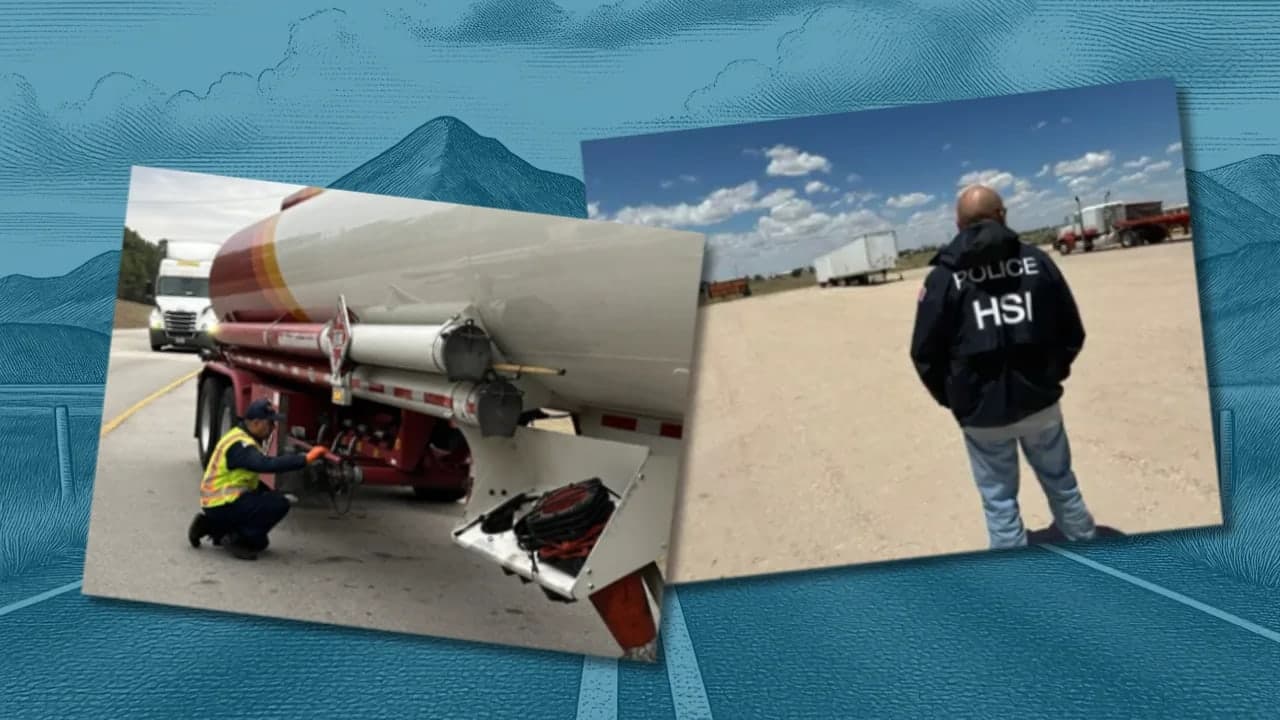
Homeland Security personnel are playing a larger role in commercial-vehicle enforcement, according to Heavy Duty Trucking's report on the latest federal crackdown.
The three-day effort, described by officials as part of Operation Highway Shield, ran across Illinois, Indiana, Iowa, and Ohio in late July. Inspectors from the Federal Motor Carrier Safety Administration and state highway patrols worked alongside personnel from Immigration & Customs Enforcement and Homeland Security Investigations.
Out-of-service orders and CDL scrutiny
According to the agencies cited by HDT, the operation resulted in 766 drivers and vehicles placed out of service, 86 arrests, 36 English-proficiency violations, and nearly $1 million in recovered stolen cargo. Officials also reported 51 people detained for suspected immigration violations, including 21 commercial drivers holding non-domiciled CDLs issued by California and New York.
The push follows other 2026 moves from Transportation Secretary Sean Duffy, including tighter English-language enforcement, reduced eligibility for non-domiciled commercial driver licenses, and federal investigations involving CDL training schools.
What fleets should review
The policy debate around immigration enforcement will continue, but the immediate fleet-management issue is documentation. Fleets that operate commercial motor vehicles should expect more attention on driver qualification files, CDL status, English-proficiency readiness, and out-of-service exposure during roadside or targeted enforcement activity.
For mixed corporate and service fleets, this is another reason to make CDL and compliance records easy to audit before a driver is stopped, not after a citation or out-of-service order starts disrupting work.