IIHS: Phone Use Is Missing From Crash Reports
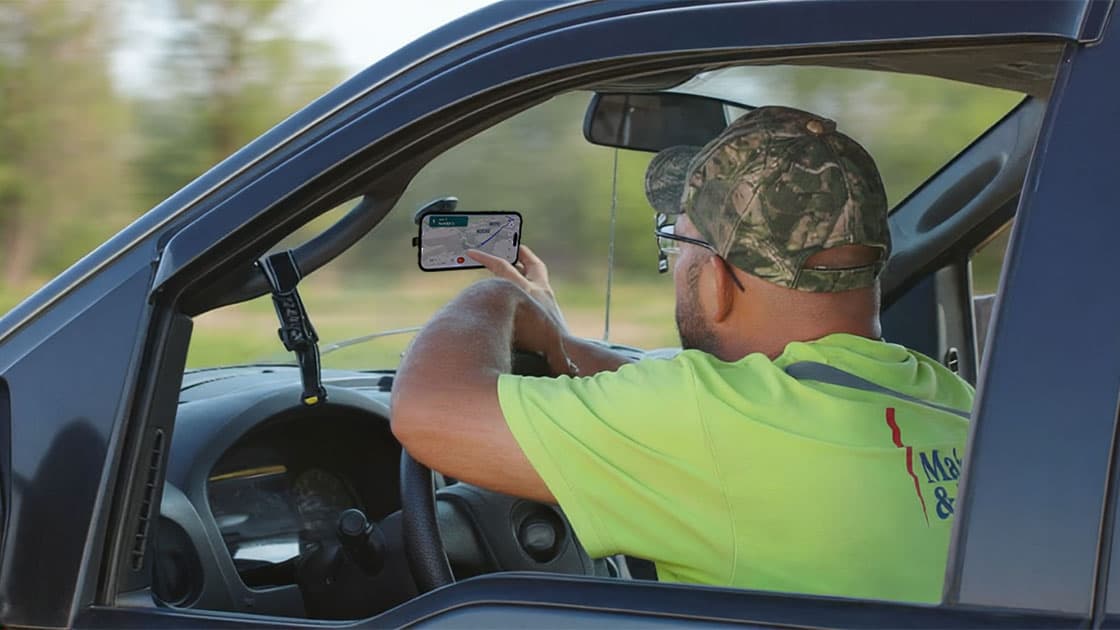
IIHS matched telematics records with police crash reports and found cellphone activity before impact showed up far more often in app data than in official reports.
Telematics Shows A Reporting Gap
A new Insurance Institute for Highway Safety study found that police crash reports often miss cellphone activity in the moments before a crash, even when telematics data shows the phone was in use.
IIHS researchers worked with Cambridge Mobile Telematics to connect crashes recorded by safe-driving apps with police-reported crashes in four states between 2021 and 2024. The matched sample covered nearly 17,000 crashes.
What The Data Found
In the app data, drivers were using cellphones in the 30 seconds before impact in 7% of single-vehicle crashes and 8% of two-vehicle crashes. Police reports for the same crashes recorded cellphone use in less than 1% of cases.
IIHS said the undercount remains large even when the analysis looks only at active phone use such as tapping, swiping, handling the device, or making hand-held and hands-free calls. Passive screen activity, including unlocked phones used for navigation or other functions, was also common before crashes.
Why Reports Miss It
The gap is partly practical. Officers may not be able to see what a driver was doing with a phone before impact, witnesses may miss it, and drivers have little reason to volunteer the detail after a crash. Laws also vary by state and often focus on specific behaviors, such as texting, rather than all screen-based distraction.
IIHS noted that 21 states now prohibit drivers from holding phones, a broader approach the group says is easier to enforce than behavior-specific bans.
Fleet Safety Takeaway
For fleets, the study is a reminder that crash reports alone can understate distraction risk. Camera, telematics and coaching programs are most useful when they turn event data into policy changes, driver conversations and measurable reductions in repeat behavior.