Industry Studies Target Driver Pay and Cargo Theft Challenges
ATA launches driver compensation study while researchers seek carrier input on cargo theft trends, highlighting two critical challenges facing fleet operators.
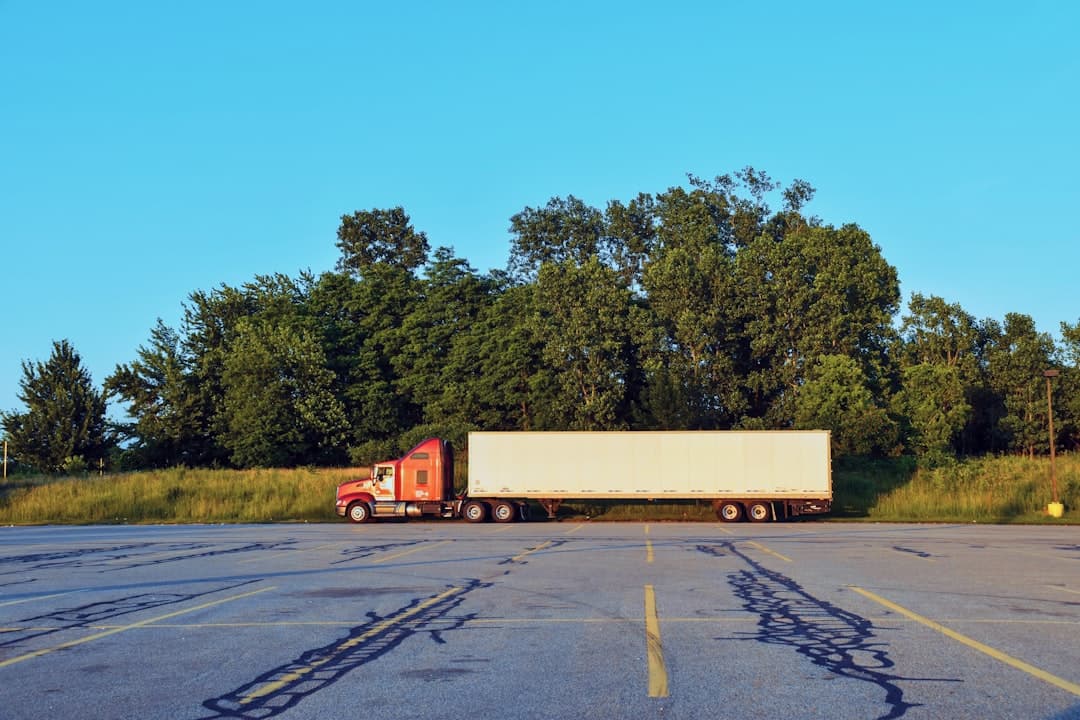
Driver Compensation Study Seeks Fleet Participation
The American Trucking Associations (ATA) has launched a comprehensive driver compensation study, calling on carriers across the industry to participate and provide critical data on current pay structures and trends. This initiative comes at a time when fleet operators are grappling with ongoing driver retention challenges and the need to attract new talent to the profession.
The study aims to gather detailed information about driver compensation packages, including base pay rates, benefit structures, bonuses, and other incentive programs currently being offered by carriers. This data will help establish industry benchmarks and provide fleet managers with valuable insights into competitive compensation strategies.
For fleet operators, participation in this study represents an opportunity to contribute to industry-wide understanding of compensation trends while potentially gaining access to aggregated data that could inform their own retention and recruitment strategies. The timing is particularly significant as the industry continues to navigate labor market pressures and evolving driver expectations.
Cargo Theft Research Targets Security Vulnerabilities
Simultaneously, researchers are seeking input from carriers and brokers for a separate study focused on cargo theft, a growing concern that has plagued the transportation industry with increasing frequency and sophistication. This research initiative aims to quantify the scope of cargo theft issues and identify patterns that could help fleets develop more effective security protocols.
The cargo theft study is particularly timely as freight security incidents have evolved beyond simple opportunistic crimes to include organized operations that target high-value shipments. Carriers and brokers are being asked to share data about theft incidents, security measures currently in place, and the financial impact of cargo losses on their operations.
Fleet managers participating in this research will contribute to a broader understanding of vulnerability points in the supply chain, from loading facilities to rest stops and final delivery locations. The insights gathered could inform the development of new security technologies and best practices across the industry.
Technology's Role in Addressing Industry Challenges
Both studies highlight areas where technology platforms are playing increasingly important roles in fleet operations. Modern telematics systems from providers like Samsara and Geotab offer real-time tracking capabilities that can enhance cargo security, while AI-powered dashcams from companies like Motive provide additional surveillance and monitoring capabilities.
Operational management platforms such as Proaction and Fleetio are also becoming critical tools for fleet managers looking to optimize both driver satisfaction and security protocols. These systems can help track total cost of ownership, manage driver incentive programs, and integrate security measures into daily operational workflows.
The data collected from these studies could also inform the development of new features and capabilities in fleet management software, potentially leading to more sophisticated tools for compensation analysis and security risk assessment.
Strategic Implications for Fleet Operations
The dual focus on driver compensation and cargo security reflects two of the most pressing operational challenges facing fleet managers today. Rising compensation costs must be balanced against the need for adequate driver retention and recruitment, while cargo theft losses can significantly impact profitability and customer relationships.
Fleet operators considering participation in these studies should view them as strategic investments in industry knowledge. The aggregated data and insights generated could prove valuable for benchmarking current practices, identifying improvement opportunities, and developing more competitive operational strategies.
Additionally, the research outcomes may influence future industry standards and best practices, potentially affecting everything from insurance requirements to customer security expectations. Fleet managers who stay informed about these developments will be better positioned to adapt their operations proactively rather than reactively.
The participation deadlines and specific data requirements for both studies have not been publicly disclosed, but interested carriers and brokers are encouraged to contact the respective research organizations directly for more information about contributing to these important industry initiatives.