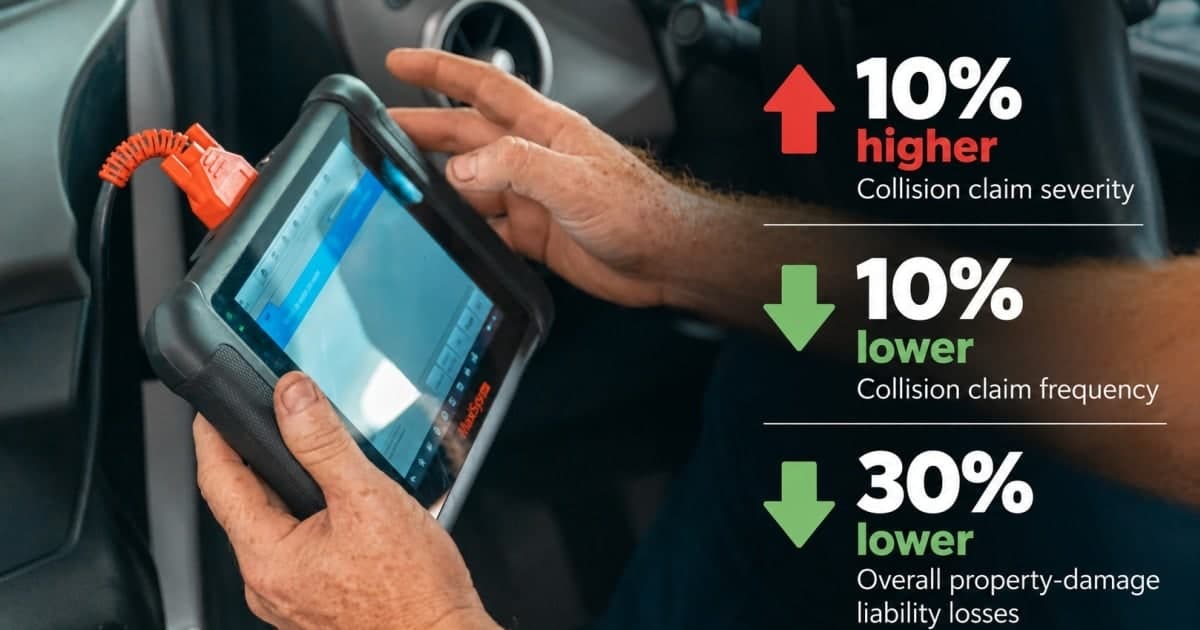
NHTSA Probe Puts Aftermarket Driver-Assist Devices on Notice
NHTSA opened a preliminary evaluation into comma.ai aftermarket driver-assist devices after five crashes involving slow or stopped vehicles, including two crashes with three deaths.
Federal Investigators Open PE26007
The National Highway Traffic Safety Administration has opened a preliminary evaluation into aftermarket driver-assistance devices sold by comma.ai, after five crashes involving vehicles that reportedly struck stopped or slow-moving vehicles in the same lane.
The probe, identified as PE26007, includes crashes in which NHTSA says the systems were powered on or engaged in multiple incidents. Two of the crashes resulted in a total of three deaths, and four of the five involved additional injuries.
Fleet Management Weekly reported that the agency will evaluate system performance and safeguards meant to support safe operation. The devices and openpilot software are marketed as aftermarket systems that can add sustained steering and speed control to existing vehicles.
Aftermarket Tech Creates a Fleet Policy Problem
The issue matters beyond one supplier. Comma devices are consumer-installed, connect through vehicle harnesses and are advertised as supporting more than 325 models. Reports place the U.S. installed base at roughly 30,000 drivers.
That puts fleet policy in a difficult place. A company vehicle, reimbursed personal vehicle or gray-fleet unit can gain driver-assist behavior after delivery, outside the normal procurement, telematics and safety review process. The risk is not just whether a device works. It is whether the fleet even knows it is installed.
What Fleets Should Check
The investigation has not reached a defect finding or recall. But it is a useful trigger for fleet teams to tighten language around aftermarket automation, driver monitoring and software modifications.
Policies should clarify whether employees may install driver-assist hardware, who approves it, how exceptions are documented and what happens when third-party or forked software is involved. For safety teams, the practical lesson is simple: advanced assistance features belong in the same governance lane as dashcams, telematics, distracted-driving controls and post-crash evidence review.