NHTSA Opens Tesla Cybercab Certification Probe
NHTSA opened an Audit Query into Tesla's Cybercab self-certification after driverless vehicles entered commercial service in Austin, keeping existing federal safety standards in force while AV rules are updated.
Audit Query follows Austin deployment
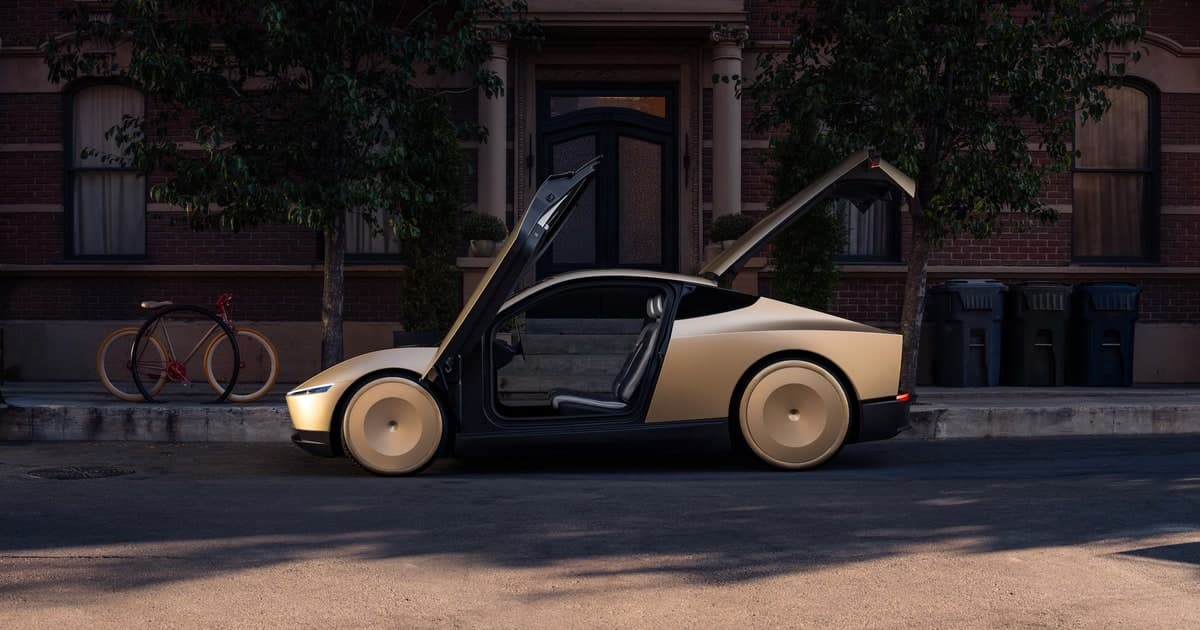
NHTSA opened an Audit Query on Sept. 4 to examine Tesla's self-certification that the new Cybercab complies with applicable Federal Motor Vehicle Safety Standards. The agency said the action follows the commercial deployment of driverless Cybercab vehicles in Austin, Texas.
The question is not whether automated vehicles can operate in the United States generally. NHTSA's release framed the case around the certification process: automakers self-certify before entering the market, and the agency can investigate when a certified vehicle appears not to match existing requirements.
Traditional controls are the center of the review
The Cybercab review will look at the technical data and internal process Tesla used to certify a vehicle that lacks traditional human controls. NHTSA said it will examine whether Tesla's compliance framework treated some FMVSS provisions as inapplicable to automated vehicles.
That matters because the agency is already rewriting pieces of the AV rulebook. NHTSA said eight rulemakings are underway, including work tied to brake pedals, windshield wipers, lighting, and rearview mirrors. Until those updates are complete, the existing standards still govern new vehicles.
Fleet buyers have a diligence signal
The timing is notable for fleet operators because Tesla has also been testing interest beyond its own in-house robotaxi network. TechCrunch reported that Tesla posted an interest form for businesses looking at Cybercab fleet purchasing, mobility hubs, infrastructure, event collaboration, or other roles in the robotaxi network.
For any third-party operator, the NHTSA query turns certification into a procurement and risk-management issue. Before a purpose-built AV enters service, fleets will need clear documentation on what standard applies, what exemption or certification path supports the vehicle, and who owns the operational exposure if federal oversight changes after launch.