Hyundai Translead's 10-Year Warranty and Phillips Connect Raise the Bar for Smart Trailers
Hyundai Translead debuts a 10-year warranty dry van and AI visibility tools at TMC. Phillips Connect expands its Smart Trailer platform with deeper cargo and equipment intelligence.
Hyundai Translead Goes Big at TMC
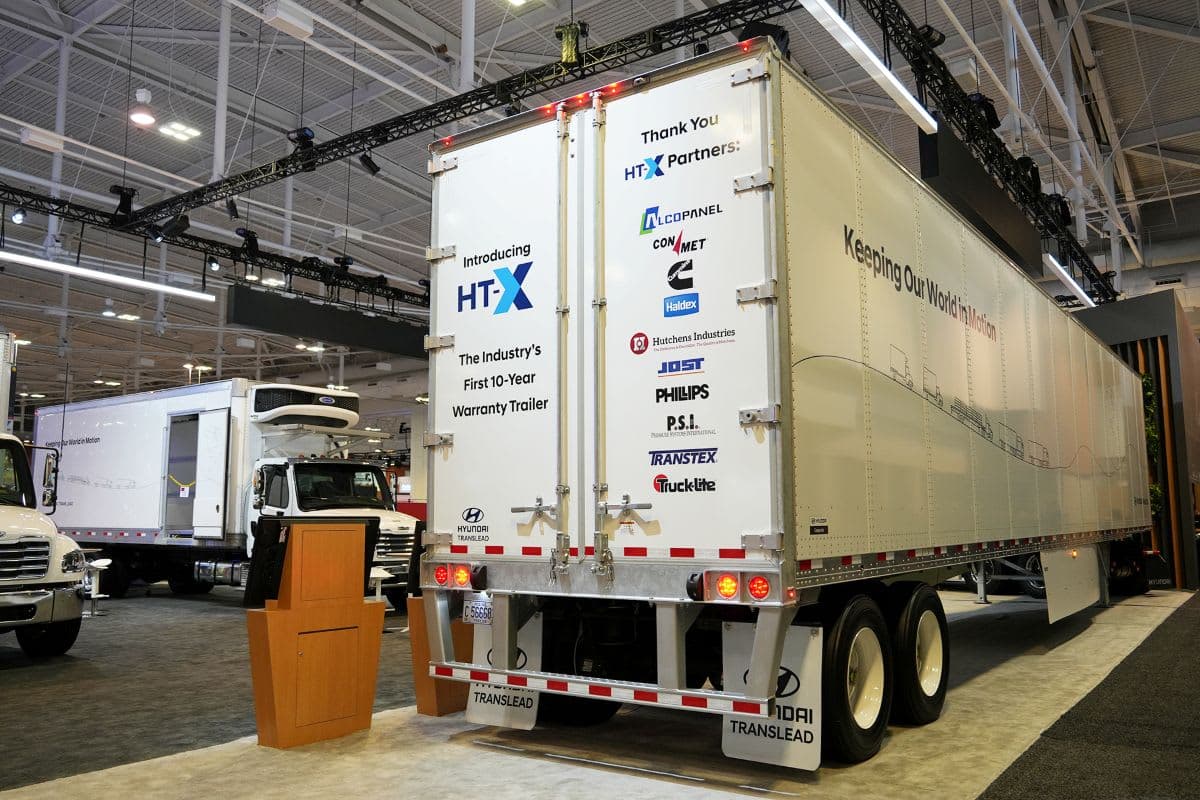
At this year's Technology & Maintenance Council meetings, Hyundai Translead made a statement. The company unveiled a 10-year warranty dry van -- a significant departure from industry norms -- alongside AI-powered visibility tools and a new modular refrigerated body design. The combination signals that Hyundai Translead is repositioning itself not just as a trailer manufacturer, but as a long-term operational partner for fleets.
The 10-year warranty is the headline. It shifts equipment risk from the fleet to the manufacturer for a decade, which has real implications for total cost of ownership modeling. Fleets that plan equipment replacement cycles around warranty expiration will need to rethink those calculations. The modular refrigerated body design compounds the value by making component replacement faster and cheaper -- reducing downtime in a segment where temperature excursions are both costly and a compliance issue.
Phillips Connect Deepens the Smart Trailer Platform
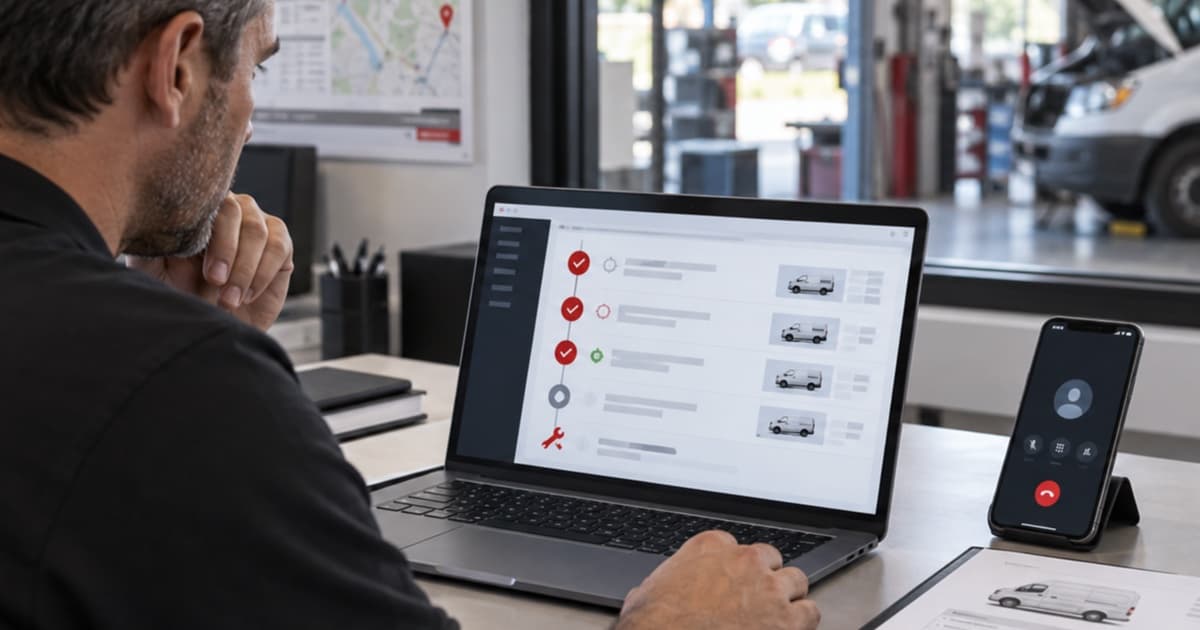
Phillips Connect announced expanded capabilities across safety, cargo monitoring, and equipment intelligence on its Smart Trailer platform. The updates are designed to give fleet managers richer data from trailers even when they're running mixed-vendor telematics environments -- a practical reality for most large fleets.
That approach matters. Most fleets don't run a single-vendor technology stack, and trailer telematics has historically been a gap. Phillips Connect is positioning its platform as a complement to whatever vehicle telematics a fleet already has, rather than requiring a rip-and-replace. Cargo condition monitoring and equipment performance data feed into a unified view of trailer health and utilization -- the kind of visibility that used to require expensive manual inspections.
Trailers Are Becoming Active Intelligence Systems
The direction is clear: trailers are no longer passive cargo containers. AI integration in Hyundai Translead's new systems promises predictive maintenance triggers and loading optimization -- moving trailer management from reactive to proactive. For fleets running high trailer-to-tractor ratios, that shift in visibility has an outsized operational impact.
The deeper value here is in integration. Trailer intelligence becomes most useful when it feeds into the same platforms fleet managers are already using for vehicle maintenance, compliance tracking, and driver management. Platforms that can aggregate data across trailer and vehicle telematics are increasingly in demand as fleets look for a single operational view rather than separate dashboards.
What This Means for Fleet Strategy
For fleet managers evaluating trailer procurement or trailer technology investments, these announcements raise the baseline expectations. Extended warranties and modular serviceability should be part of the TCO conversation alongside sticker price. And for fleets that haven't evaluated their trailer telematics coverage recently, the Phillips Connect expansion is a good prompt to assess what data gaps exist and what they're costing in unplanned downtime and missed utilization opportunities.
The broader competitive pressure from these announcements will likely push other trailer manufacturers to respond -- either with their own warranty extensions or with more aggressive technology integration. That's good news for fleets. The trailer market has been slow to evolve, and this kind of momentum tends to compound.