Broker Liability Ruling Puts Carrier Vetting Back on the Table
After the Supreme Court let a negligent-hiring claim against C.H. Robinson proceed, industry groups are pressing FMCSA for clearer carrier-vetting data. The issue matters for fleets that outsource vehicle moves, equipment delivery, or overflow hauling.
Supreme Court Lets the Suit Move Forward
The U.S. Supreme Court has allowed a negligent-hiring lawsuit against C.H. Robinson to proceed after a 2017 crash involving a carrier arranged by the broker. The ruling does not decide whether the broker is liable, but it does mean state-law safety claims can move forward under the federal law's safety exception.
The case centers on whether a broker can face claims for selecting a carrier with a poor safety history. For freight brokers, the ruling raises the stakes around carrier selection. For companies that hire outside transportation, it puts more attention on how carrier decisions are documented.
FMCSA Data Is the Next Fight
Industry groups are now pressing FMCSA for clearer safety data and carrier-vetting standards. The concern is straightforward: if brokers and shippers are expected to prove reasonable care, they need reliable federal data on which carriers pose elevated risk.
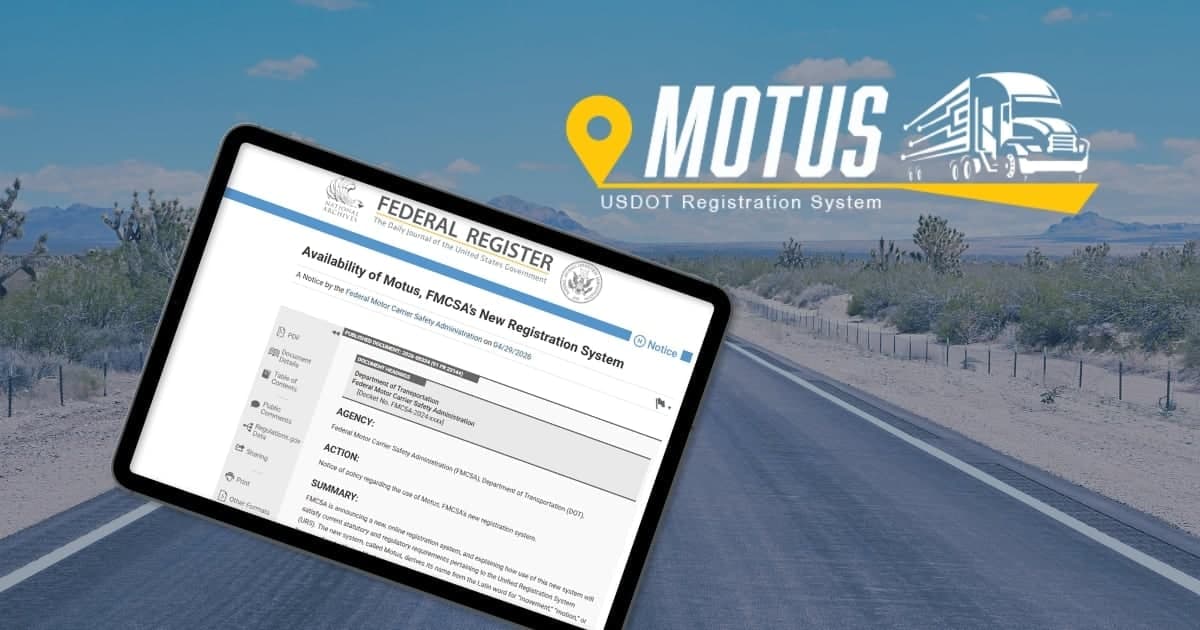
That pressure is landing as FMCSA continues work on registration and oversight changes aimed at harder-to-track carriers. The practical question is whether federal tools can give procurement, risk, and transportation teams a consistent way to screen carriers before a load moves.
Why Fleet Teams Should Care
Most corporate, municipal, and service fleets are not freight brokers. But many still hire outside carriers for vehicle transport, equipment delivery, emergency moves, or overflow hauling. Those teams should expect more scrutiny on carrier onboarding, insurance checks, safety-history reviews, and the records showing why a carrier was approved.
The fleet takeaway is not to turn every move into a legal project. It is to make carrier vetting visible enough that procurement and risk teams can show the decision was deliberate, documented, and tied to available safety information.