Trucking Industry Faces Perfect Storm of Regulatory, Financial Challenges
From FMCSA crackdowns on chameleon carriers to financial struggles among top fleets, the trucking sector confronts mounting pressures while tech advances offer hope.

Regulatory Enforcement Intensifies
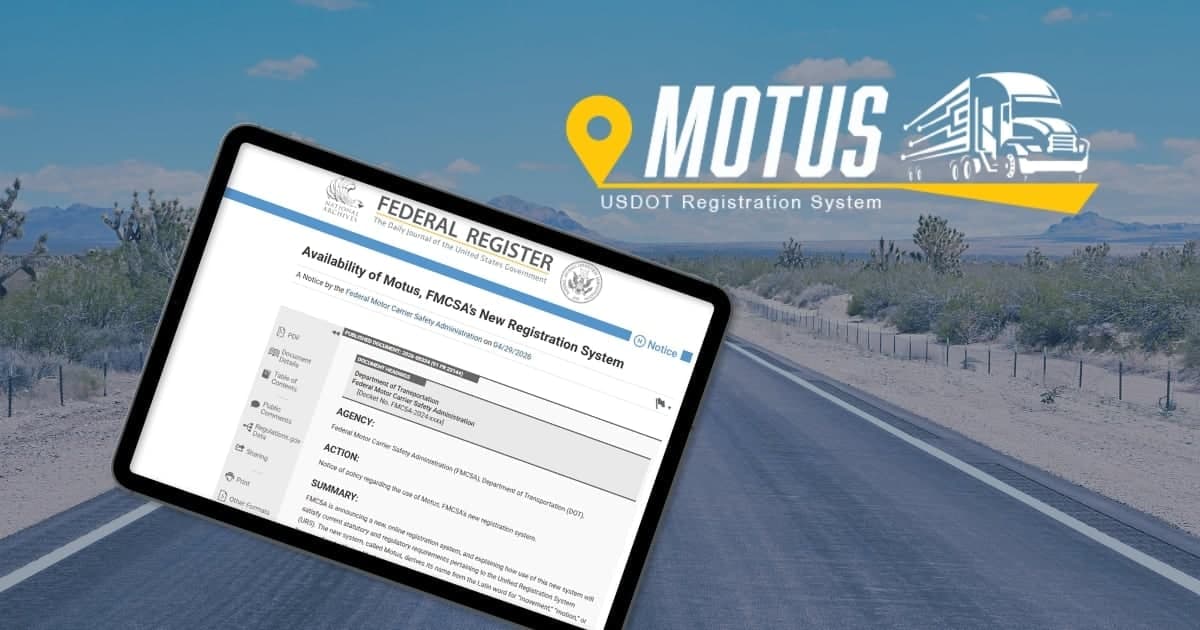
The Federal Motor Carrier Safety Administration is launching a comprehensive crackdown on so-called "chameleon carriers" — operators who repeatedly change their identities to evade safety oversight. This regulatory push represents one of the most significant enforcement initiatives in recent years, targeting carriers who exploit regulatory loopholes to continue operating despite poor safety records.
The enforcement action comes as new research reveals strong correlations between Electronic Logging Device (ELD) violations and unsafe carrier operations. This data-driven approach to identifying problematic operators is helping regulators focus resources on the highest-risk fleets, though industry observers note that better crash data collection remains a critical need for more effective oversight.
Safety technology platforms are playing an increasingly important role in helping fleets maintain compliance. Solutions from providers like Motive and Samsara for ELD compliance and AI dashcam monitoring are becoming essential tools, while operational platforms such as Proaction and Fleetio help fleets manage inspections and maintenance records that are crucial during regulatory audits.
Financial Pressures Mount Across Sector
The trucking industry's financial landscape remains challenging, with major carriers continuing to report disappointing results. The financial slump that began in late 2024 has persisted into 2025, driven by weak freight rates and economic uncertainty that's suppressing carrier sentiment across the board.
Trucking industry segments posted mixed results in 2024, but the overall trend points to sustained pressure on profit margins. Economic conditions and regulatory compliance costs have become such significant concerns that they've actually displaced the traditional driver shortage from the top of industry problem lists — a remarkable shift that highlights how operational challenges have evolved.
The rate environment remains particularly challenging, with carriers struggling to maintain profitable operations amid continued economic uncertainty. This financial strain is forcing many operators to focus intensively on operational efficiency and cost management, driving increased adoption of fleet management technologies and data analytics platforms.
Technology Drives Innovation and Diversity
Despite financial headwinds, technology continues to reshape the industry in positive ways. Advanced telematics and fleet management solutions are not only improving operational efficiency but also driving greater diversity within the trucking workforce. Technology platforms are making the industry more accessible to new demographics by simplifying complex operational tasks and improving working conditions.
Significant investment continues to flow into trucking technology, with GenLogs recently securing $60 million to develop AI-powered monitoring systems using roadside sensors. This represents part of a broader trend toward intelligent transportation systems that promise to improve safety and efficiency across the supply chain.
Financial technology is also evolving rapidly, with companies like TCS Blockchain partnering with PayPal to drive payment innovation specifically for the trucking and transportation sectors. These advances in financial services integration are addressing long-standing pain points around cash flow and payment processing that have historically plagued smaller carriers.
Fleet management platforms are becoming increasingly sophisticated, with providers like Geotab expanding data analytics capabilities and Trimble enhancing routing optimization. The integration between telematics providers and operational management platforms — such as connections between Samsara and Proaction or Geotab and Decisiv — is creating more comprehensive fleet management ecosystems.
Legal and Operational Challenges Persist
Beyond regulatory and financial pressures, the industry faces mounting concerns about lawsuit abuse that's straining carrier operations and insurance costs. Legal challenges are becoming a significant operational factor, particularly for larger carriers who are increasingly targeted in litigation following accidents.
The industry's characterization as having become a "hellscape" in some recent commentary reflects the cumulative impact of these various challenges. However, this dramatic assessment also underscores the urgent need for systemic improvements in how the sector operates and is regulated.
Fleet managers are responding by investing more heavily in safety technologies and comprehensive operational platforms that can help demonstrate compliance and responsible operations. The correlation between proper maintenance records, safety compliance, and legal protection is driving increased adoption of integrated fleet management systems.
Recognition of industry leadership continues, with recent honors highlighting executives who have successfully navigated these challenging conditions. This recognition underscores that while the industry faces significant challenges, experienced leadership and strategic technology adoption can still drive success.
Looking ahead, the trucking industry's path forward will likely depend on its ability to leverage technology solutions while adapting to an increasingly complex regulatory and economic environment. Fleet managers who invest in comprehensive operational platforms and maintain strong compliance records are positioning themselves best to weather current challenges and capitalize on future opportunities.