Trucking Volumes Hit Four-Year High Amid Fuel Price Surge and Tech Advances
Strong freight demand drives capacity tightening while Iran conflict impacts fuel costs and cybersecurity risks, even as autonomous vehicle safety tech progresses.
Freight Demand Surge Masks Underlying Challenges
The trucking industry is experiencing a tale of two realities: robust freight volumes hitting four-year highs while escalating fuel prices and geopolitical tensions threaten to dampen the recovery. According to ACT Research data, trucking volumes have reached their highest levels since 2022, with the supply-demand balance strengthening significantly across most freight segments.
This surge in demand is creating a tighter capacity environment that many fleet managers haven't seen since the pandemic-era boom. The improved volumes are helping carriers negotiate better rates and utilize their fleets more efficiently, providing much-needed relief after years of challenging market conditions. However, the celebration may be premature as external factors beyond traditional market dynamics are beginning to exert pressure on operational costs and security protocols.
Iran Conflict Drives Fuel Costs and Cybersecurity Concerns
The ongoing Iran conflict is creating ripple effects throughout the trucking industry that extend far beyond the typical fuel price volatility. Higher oil prices are effectively undercutting the benefits of recent tariff relief measures, creating a complex cost environment for fleet operators who were just beginning to see margin improvements.
Perhaps more concerning for fleet managers is the expansion of fraud and cybersecurity risks linked to the geopolitical instability. The conflict has coincided with increased cyberattack attempts targeting transportation and logistics companies, forcing fleets to invest in enhanced security protocols and training programs. This represents a new category of operational expense that many smaller operators are ill-equipped to handle, potentially accelerating consolidation in the industry as larger fleets with more robust IT resources gain competitive advantages.
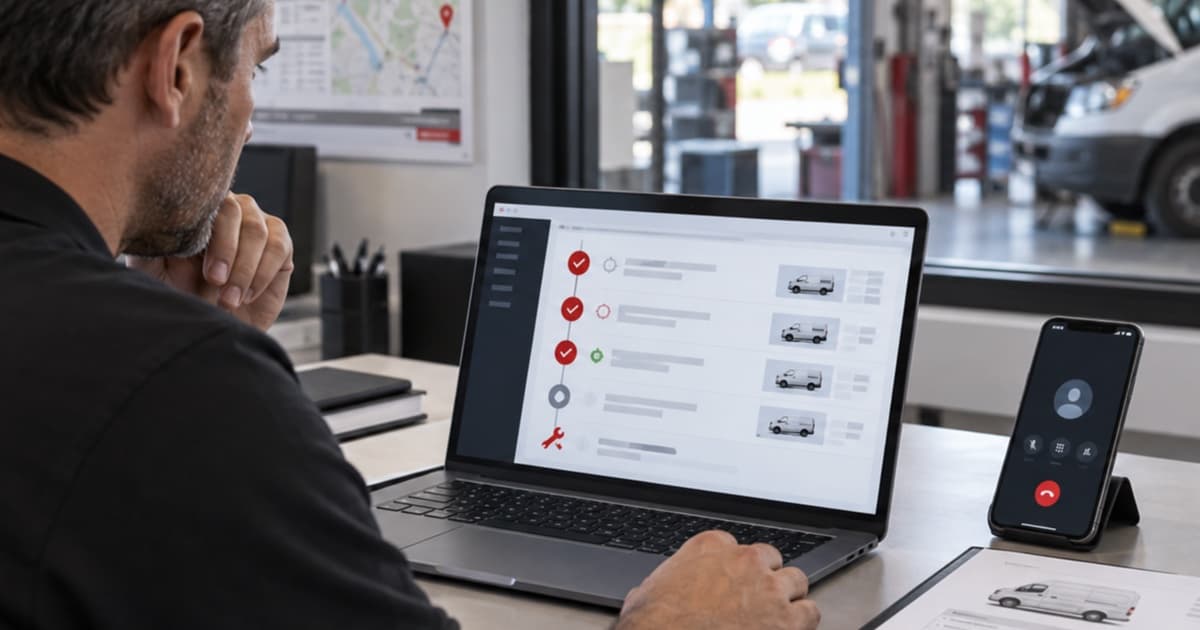
Fleet management platforms like Samsara, Geotab, and Motive are reporting increased demand for their cybersecurity features, while operational management systems such as Proaction and Fleetio are adding enhanced security protocols to protect sensitive fleet data. The integration of these security measures is becoming as critical as traditional telematics and compliance tools.
Autonomous Vehicle Safety Technology Advances
While geopolitical tensions create new challenges, technological advancement in autonomous trucking continues to progress with significant safety implications for the broader industry. Kodiak's recent integration of HAAS Alert's Safety Cloud platform into its autonomous vehicle control system represents a meaningful step forward in vehicle-to-infrastructure communication.
The Safety Cloud integration allows Kodiak's autonomous trucks to send real-time digital hazard alerts to nearby motorists, potentially reducing accidents involving commercial vehicles. This technology creates a protective bubble around autonomous trucks by alerting other drivers to their presence and any road hazards the autonomous system detects. For fleet managers, this development signals how autonomous vehicles might actually enhance overall road safety rather than merely matching human driver performance.
The implications extend beyond autonomous fleets, as similar alert systems could be integrated into conventional commercial vehicles. Companies like Platform Science and Trimble are already exploring how vehicle-to-vehicle communication protocols could be incorporated into existing fleet management systems, potentially creating industry-wide safety improvements.
Strategic Implications for Fleet Operators
The convergence of strong demand, elevated fuel costs, cybersecurity risks, and advancing safety technology creates a complex strategic environment for fleet operators. The current capacity tightening provides an opportunity for fleets to improve their rate structures and profitability, but success will depend on how well they manage the new cost pressures and security requirements.
Fleet managers should prioritize fuel hedging strategies and efficiency improvements to mitigate the impact of volatile energy prices linked to geopolitical instability. Simultaneously, cybersecurity investments are no longer optional – they're becoming essential operational requirements. This includes not only technology solutions but also staff training and incident response protocols.
The autonomous vehicle developments, while still years away from widespread deployment, suggest that early investments in compatible technology infrastructure could provide competitive advantages. Fleets that begin integrating advanced safety communication systems now may be better positioned to adopt autonomous vehicles when they become commercially viable.
For smaller operators, the combination of these factors may accelerate the need for strategic partnerships or technology-sharing arrangements. The days of operating with basic ELD compliance and minimal technology infrastructure are rapidly ending, replaced by an environment where comprehensive technology platforms and robust security measures are fundamental business requirements.