Alt-Fuel Hits 500 HP: Westport-Volvo Engine, Zenobē's Revolv Buy
Two parallel tracks for cleaner fleet powertrains advanced this week — a high-output natural gas engine from Westport and Volvo, and Zenobē's acquisition of Revolv to scale electrification across North America.
A High-Horsepower Bet on Natural Gas
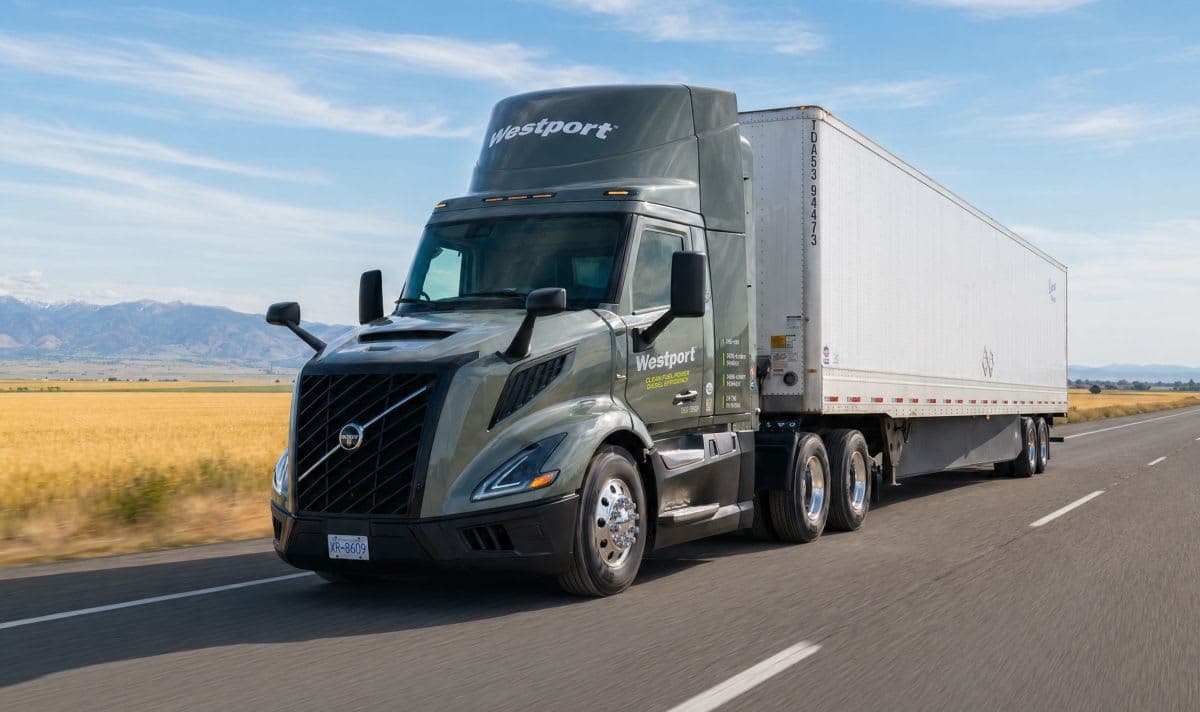
Westport and Volvo this week demonstrated a 500-horsepower natural gas engine that the partners say delivers diesel-like efficiency for heavy-duty trucks — and, just as importantly, a development pathway toward hydrogen. The pitch to fleets is straightforward: cleaner emissions today, with engine architecture and fueling infrastructure that don't strand the investment when hydrogen scales.
For carriers running long-haul or vocational work where battery-electric still isn't a fit, the natural gas option matters in a very practical way. It hits the horsepower needed for Class 8 duty cycles, slots into existing CNG and LNG fueling networks, and doesn't ask fleet managers to rebuild operations around a charging schedule.
Zenobē Plants a Bigger Flag in North America
UK-based fleet electrification specialist Zenobē announced its acquisition of Revolv, a deal that brings school bus, transit, and commercial-fleet electrification projects across the U.S. and Canada under a single, well-capitalized operator. Revolv brings the customer relationships and operational track record; Zenobē brings the financing model that has made it one of Europe's largest charging-as-a-service providers.
The bigger story is consolidation in the electrification services layer. Fleets considering EV transitions increasingly want a single counterparty handling vehicles, charging hardware, energy procurement, and uptime — and the players big enough to offer all of that are starting to roll up the smaller, regionally-focused operators.
What the Numbers Say About the Market
Beneath the deals, fleet management software keeps growing in lockstep. Precedence Research now projects the smart fleet ecosystem will reach $76.33 billion by 2035, while regional studies show steady telematics adoption in Asia-Pacific, ANZ, and the Gulf through 2030.
FleetCheck, the UK fleet management platform, reported that the average size of its new customer fleets has roughly quadrupled — a quiet but telling indicator that the buyers signing up for these tools are getting bigger, not smaller. Either smaller operators are consolidating, or larger fleets that previously built in-house are finally outsourcing.
Mixed Powertrains Are the Real Operational Story
Most fleets pursuing alternative fuels in 2026 aren't going all-in on a single technology. They're running mixed powertrains: diesel, CNG, battery-electric, and increasingly some hydrogen pilots. That's why the platforms launching this year are leaning into multi-energy management — charging optimization, fuel cost analysis, and route planning that accounts for the different range and refueling realities of each vehicle type.
The complexity is real, but it's also where modern fleet software starts to earn its keep. Fleets running 50 diesel trucks can manage with spreadsheets. Fleets running 50 diesels, 15 EVs, and a handful of CNG units cannot.