WiTricity Opens Florida Wireless-Charging R&D Site
WiTricity says its new Stuart, Florida R&D facility will support custom medium-duty wireless charging systems and deployment capacity above 75 kW for heavy-duty fleets.
Florida site expands deployment work
WiTricity has opened a research and development facility in Stuart, Florida, giving the wireless EV charging company a base for more customized fleet and vehicle-platform work. EV Infrastructure News reported that the company recently relocated from Massachusetts, where it was launched out of MIT nearly two decades ago.
The company says the new site will help it build more custom medium-duty wireless charging solutions and expand deployment capacity. WiTricity also says it supports wireless charging at speeds above 75 kW for heavy-duty fleets.
Charging without the cable
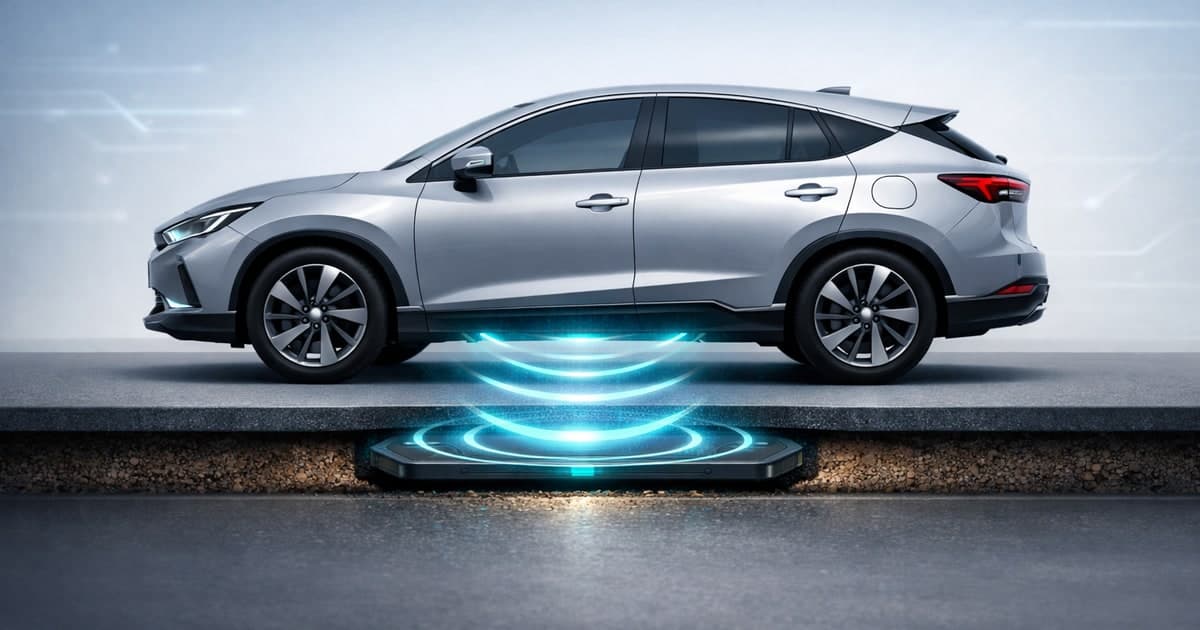
WiTricity's medium-power system spans 7.2 kW to 50 kW and is aimed at passenger EVs, autonomous vehicles and robotaxis, last-mile fleets, and OEM or Tier 1 integration programs. Vehicles fitted with a receiver park over a ground pad, where power transfers by magnetic coupling.
The operational pitch is simple: a charging session can start without a driver or yard worker plugging in a cable. CEO Joe Benz put it bluntly: "Autonomy cannot stop at the charger." For fleets looking at autonomous shuttles, depot delivery vehicles, or high-frequency local routes, the charging workflow is part of the operating model, not just an energy choice.
What fleets should watch
The Florida facility is also being positioned for work with automakers, suppliers, fleet operators, licensees, and technology partners. That makes it worth watching less as a single charger launch and more as a sign that wireless charging vendors are moving closer to vehicle-specific deployments.
Fleet teams still have the same diligence work ahead: duty cycle, dwell time, site layout, equipment ruggedness, serviceability, and whether the economics beat conventional plugs. But for vehicles that return to predictable stops all day, automated opportunity charging could remove one of the practical handoffs that still makes electric and autonomous operations labor-dependent.