AI-Driven Fleet Intelligence Transforms Data Into Operational Excellence
Fleet technology is evolving beyond basic telematics as AI and software-defined platforms help managers turn vehicle data into predictive insights.

From Telematics to Intelligence Platforms
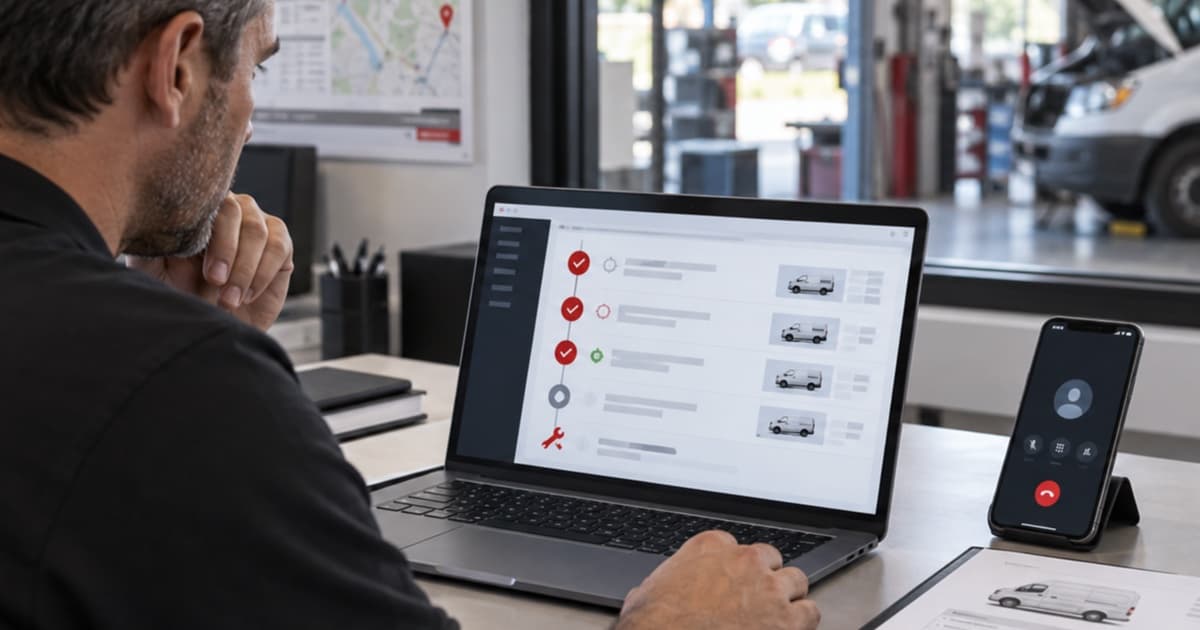
The fleet industry is experiencing a fundamental shift from simple vehicle tracking to comprehensive intelligence platforms that leverage artificial intelligence to drive operational decisions. According to Mack executives, telematics has evolved into a connected service platform capable of boosting uptime, improving vehicle specifications, and enabling predictive maintenance strategies that were impossible just a few years ago.
This transformation represents more than just technological advancement—it's reshaping how fleet managers approach everything from maintenance scheduling to vehicle procurement. AI is now giving fleets a way to turn vast amounts of vehicle data into faster, smarter decisions, moving the industry beyond reactive management toward truly predictive operations.
The software-defined truck concept is becoming reality, with digital intelligence fundamentally redefining fleet performance metrics. This evolution allows fleet managers to optimize operations in real-time, adjusting strategies based on continuous data streams rather than periodic reports or gut instinct.
The Rise of Software-Defined Fleet Operations
Modern fleet management increasingly relies on software-defined platforms that integrate multiple operational functions into unified systems. This approach allows fleet managers to control various aspects of their operations through centralized digital interfaces, creating unprecedented visibility and control over complex logistics networks.
The integration challenge has become a critical factor, as fleet managers need platforms that can work seamlessly with existing telematics providers like Samsara and Geotab while providing advanced analytics capabilities. Platforms like Fleetio, Proaction, and TMT are competing to become the operational backbone for fleet managers, offering everything from maintenance management to AI-powered reporting tools that transform spreadsheet data into actionable dashboards.
This software-centric approach enables fleet managers to maintain control over operations even when external market conditions create uncertainty. By focusing on internal efficiencies and data-driven decision making, successful fleet operations can continue optimizing performance regardless of broader economic pressures.
Navigating Market Challenges Through Technology
Fleet managers today face unprecedented market volatility, from supply chain disruptions to fluctuating fuel costs and evolving regulatory requirements. However, advanced fleet intelligence platforms are providing new tools to maintain operational excellence despite these external pressures.
The key lies in identifying what fleet managers can actually control when market conditions remain unpredictable. Technology platforms that offer comprehensive operational oversight—including predictive maintenance, route optimization, and real-time performance monitoring—give fleet managers the ability to maximize efficiency within their sphere of influence.
Industry leaders emphasize that successful fleet management in today's environment requires focusing on controllable factors like vehicle utilization rates, maintenance timing, and driver performance optimization. AI-powered analytics platforms can identify patterns and opportunities that human analysis might miss, providing competitive advantages even in challenging market conditions.
Building Tomorrow's Fleet Management Strategy
The future of fleet management lies in the seamless integration of multiple intelligence systems that work together to create comprehensive operational oversight. This includes everything from telematics data provided by companies like Motive and Omnitracs to specialized maintenance platforms and AI-powered analytics tools.
Fleet managers are increasingly looking for solutions that can integrate with existing systems while providing advanced capabilities like natural language querying of fleet data and automated workflow management. The most successful fleet operations will be those that can effectively combine human expertise with AI-driven insights, creating hybrid management approaches that leverage the best of both worlds.
As the industry continues evolving toward software-defined operations, fleet managers must balance the adoption of new technologies with practical operational needs. The goal is not just to collect more data, but to transform that information into actionable intelligence that drives measurable improvements in safety, efficiency, and profitability.
This technological transformation represents a fundamental shift in how successful fleet operations will be managed in the coming decade, with early adopters already seeing significant advantages in operational efficiency and cost management.