Fleet Industry Embraces Autonomous Tech and Digital Solutions in 2026
Major partnerships and platform launches signal fleet industry's accelerated adoption of autonomous trucking and comprehensive digital solutions.
Autonomous Trucking Moves from Lab to Live Operations
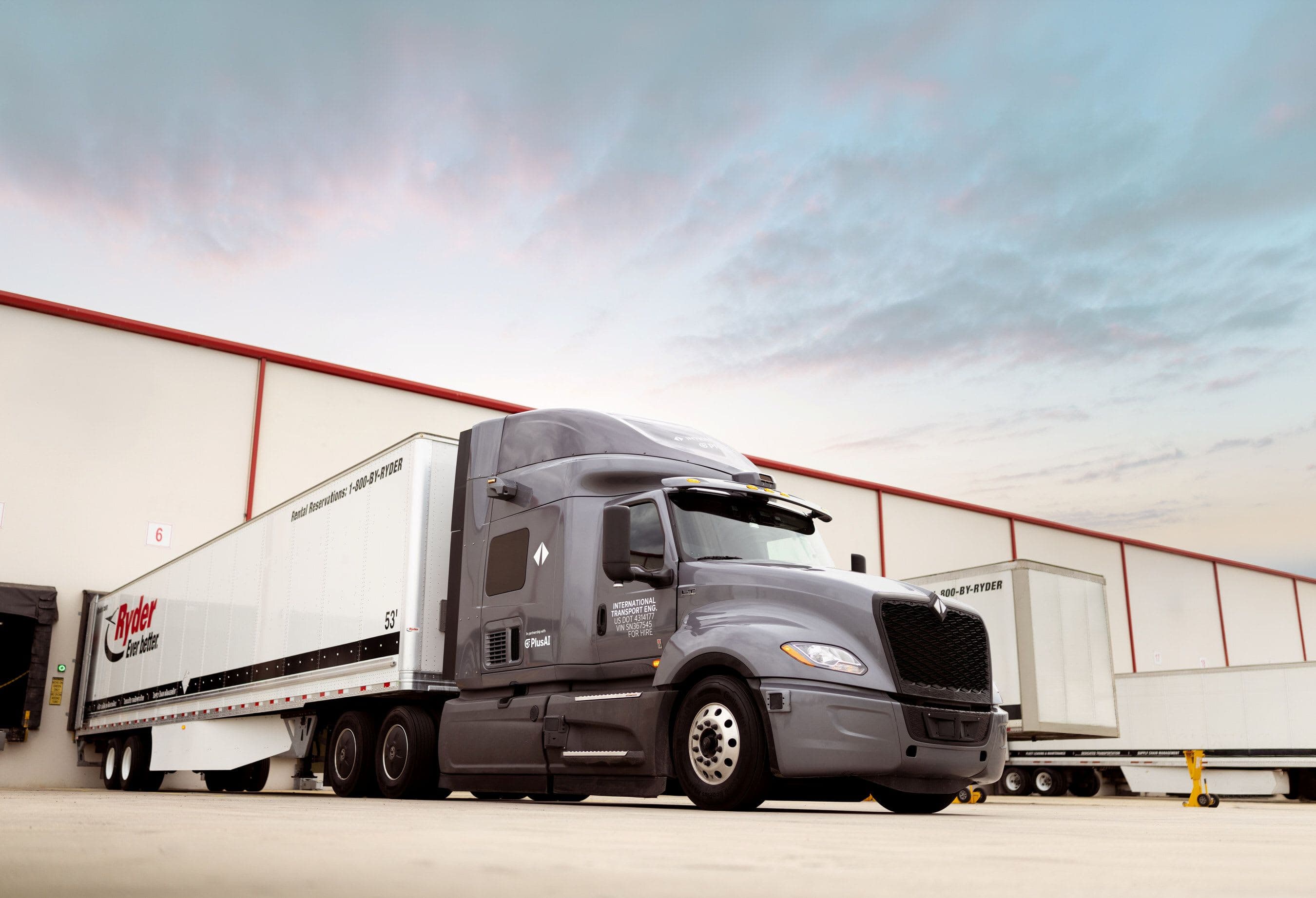
The commercial fleet industry reached a significant milestone in April 2026 as Ryder and International launched an ambitious autonomous truck pilot program on a 600-mile Texas freight lane. This collaboration represents a crucial shift from controlled testing environments to real-world commercial operations, marking what industry observers consider a pivotal moment for autonomous vehicle adoption in fleet management.
The Texas pilot program demonstrates the growing confidence among major fleet operators and OEMs in deploying autonomous technology for long-haul operations. The 600-mile route provides an ideal testing ground for evaluating autonomous systems across varied driving conditions, weather patterns, and traffic scenarios that define commercial trucking operations.
For fleet managers, this development signals that autonomous trucking technology is approaching commercial viability faster than many anticipated. The partnership between Ryder, a leading fleet management solutions provider, and International, a major commercial vehicle manufacturer, suggests that autonomous systems are being designed with practical fleet operations in mind rather than as purely experimental technology.
Strategic Partnerships Reshape Fleet Technology Landscape
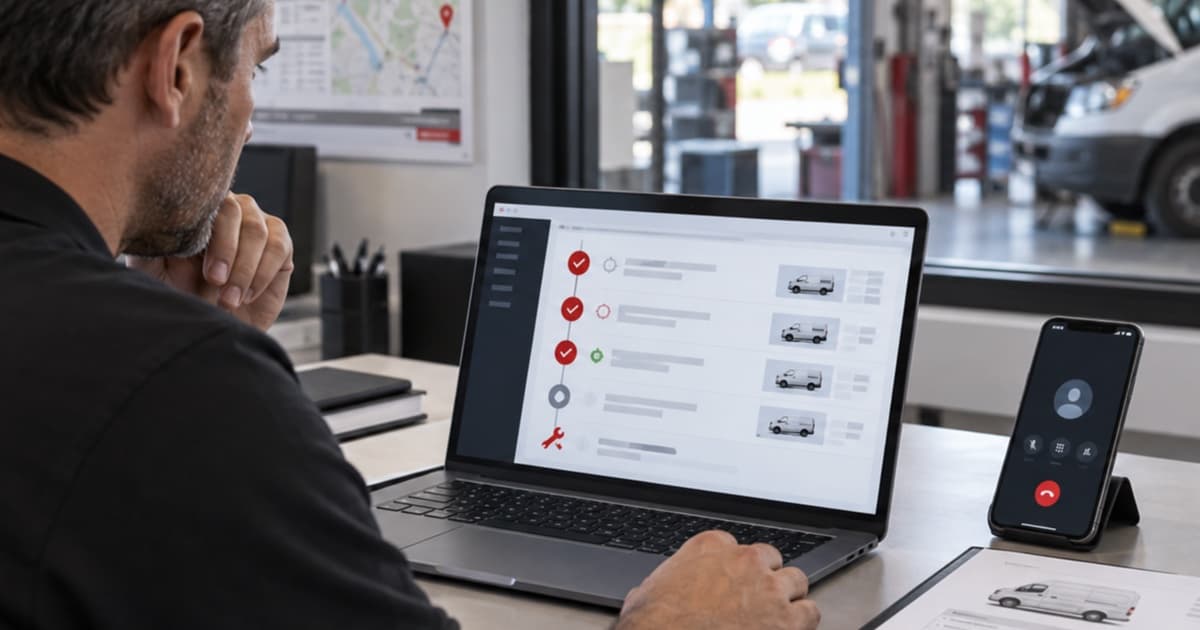
The autonomous trucking pilot is part of a broader trend of strategic partnerships transforming fleet operations. Earlier in 2026, Ryder announced a collaboration with Decisiv to create comprehensive maintenance solutions specifically designed for truck fleets. This partnership aims to leverage Decisiv's service relationship management platform to streamline maintenance workflows and improve vehicle uptime for commercial operators.
These partnerships reflect the fleet industry's recognition that no single company can address all operational challenges independently. By combining Ryder's fleet management expertise with specialized technology providers, the industry is creating more integrated solutions that address multiple pain points simultaneously. Fleet managers are increasingly seeking platforms that can unify various operational aspects rather than managing multiple disparate systems.
The collaboration between established fleet operators and technology specialists is becoming essential as fleets demand more sophisticated analytics, predictive maintenance capabilities, and operational visibility. Companies like Decisiv, Fleetio, Proaction, and TMT are positioning themselves as critical partners in this ecosystem, offering specialized tools that integrate with existing fleet management systems while providing advanced operational insights.
Digital Platforms Transform Service and Maintenance Operations
The digitization of fleet services accelerated significantly with Pilot Flying J's launch of its Truck Care online portal in February 2026. This development represents a broader industry shift toward digital-first approaches for fleet services, enabling operators to manage maintenance, repairs, and service scheduling through centralized online platforms.
The Pilot Flying J portal launch reflects growing demand from fleet managers for streamlined service management tools that provide real-time visibility into maintenance operations, service history, and cost tracking. Digital platforms are becoming essential for managing complex fleet operations, particularly as companies operate vehicles across multiple locations and service networks.
Fleet managers are increasingly prioritizing platforms that offer comprehensive operational oversight, from maintenance scheduling to cost analysis. Tools like Proaction's integrated operations platform and similar solutions from competitors are gaining traction by offering unified views of fleet performance, maintenance needs, and operational workflows that previously required multiple software systems to manage effectively.
Industry Lessons and Strategic Implications
Industry veterans like Juan Ibarra continue to provide valuable insights for fleet managers navigating these technological transitions. Ibarra's lessons, highlighted in March 2026, emphasize the importance of balancing technology adoption with practical operational considerations. His experience underscores that successful fleet management requires understanding both emerging technologies and fundamental operational principles.
The rapid pace of technological advancement in fleet management requires operators to carefully evaluate which solutions provide genuine operational benefits versus those that simply offer technological novelty. Fleet managers must consider how new technologies integrate with existing operations, impact driver workflows, and deliver measurable improvements in efficiency, safety, or cost management.
Looking ahead, the convergence of autonomous technology, digital service platforms, and integrated maintenance solutions suggests that fleet operations will become increasingly automated and data-driven. However, successful implementation will depend on choosing technologies that complement existing operational strengths while addressing specific fleet challenges. The partnerships and platform launches in early 2026 indicate that the industry is moving toward more collaborative, integrated approaches to fleet technology adoption rather than standalone solutions.