Prison Time, Amazon Cuts, and an 8% Surcharge: USPS Fleet Crisis Deepens
Federal corruption convictions, a 20% drop in Amazon volume, and a new parcel surcharge are converging on the Postal Service -- and the lessons extend to every fleet operation relying on third-party carriers.
Federal Kickback Scheme Exposes Cracks in USPS Contractor Oversight
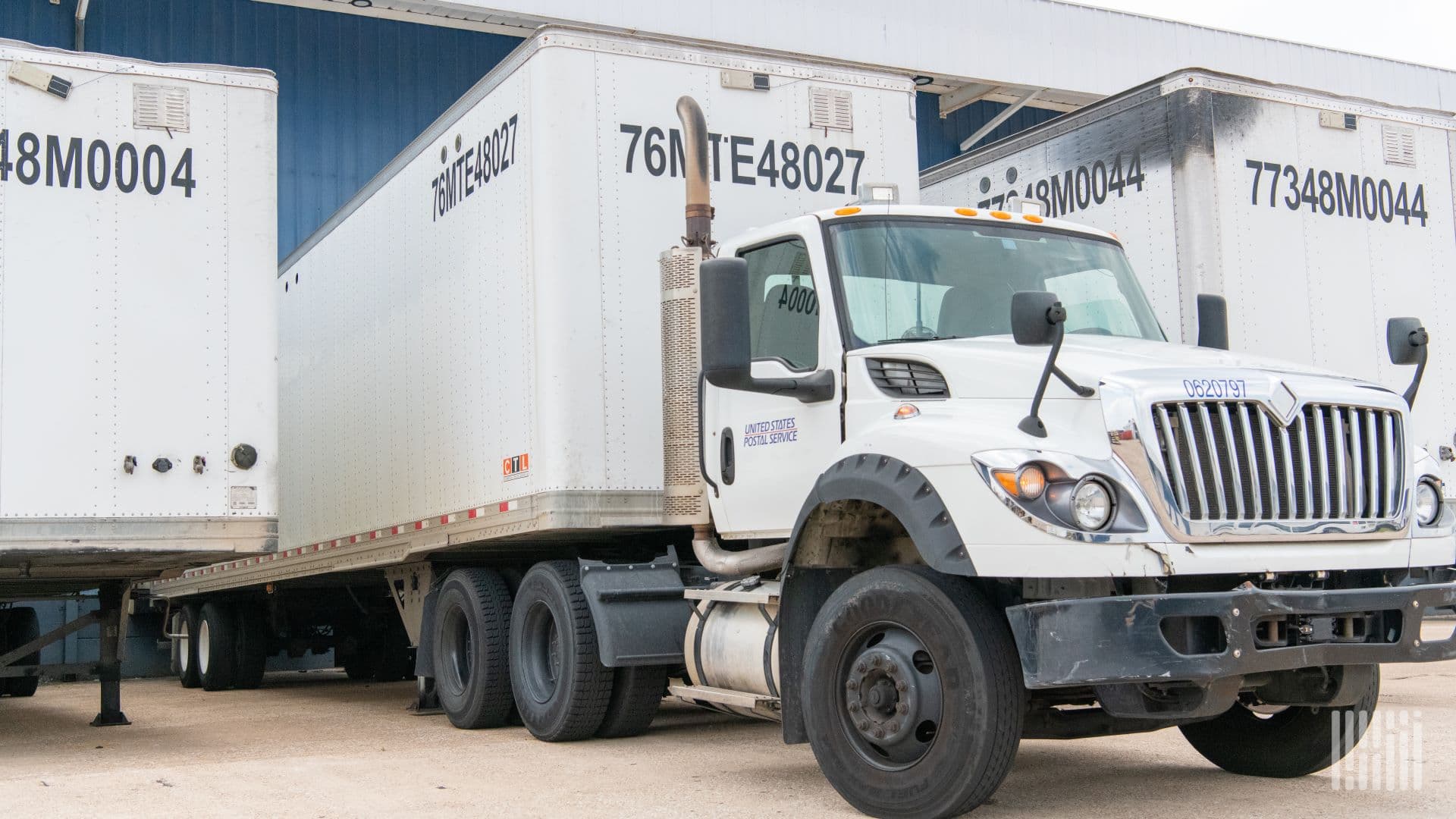
Four people — two trucking company owners and two postal employees — are heading to prison after a bribery scheme designed to rig USPS transportation contracts. The case pulled back the curtain on how the nation's largest logistics operation awards and oversees its massive third-party carrier network, and the picture is not flattering.
The scheme was straightforward: cash for contracts. But the underlying vulnerability it exploited — weak vendor management and limited audit trails — is hardly unique to USPS. Any fleet operation that relies on contracted carriers for peak capacity, specialized routes, or last-mile delivery faces similar exposure. If your vendor selection process cannot survive a federal audit, it is time to revisit your compliance framework.
Amazon Renews with USPS -- But Slashes Volume by 20%
Amazon has re-upped its delivery partnership with the Postal Service, but on sharply reduced terms. The renewed contract carries a 20% cut in shipping volume, a direct reflection of Amazon's accelerating investment in its own logistics infrastructure. For USPS, which has leaned heavily on package revenue to offset years of declining mail volume, the reduction is a material financial hit.
The broader signal matters more than the specific numbers. Major shippers are pulling logistics in-house or splitting volume across more carriers to reduce dependency. Fleet operators who derive a large share of revenue from a single customer should take note: the days of stable, high-volume anchor contracts are eroding. Building flexibility into your capacity planning is no longer optional — it is a survival strategy.
Postal Regulatory Commission Greenlights 8% Parcel Surcharge
Facing a cost squeeze from every direction, USPS secured approval from the Postal Regulatory Commission for a temporary 8% surcharge on parcel deliveries. The increase is aimed squarely at rising transportation costs — fuel, driver wages, maintenance, and insurance — that have compressed margins across the entire logistics sector.
The word "temporary" is doing heavy lifting. Whether the surcharge sunsets depends on economic conditions that show no signs of easing. For commercial fleet managers, the move is a useful benchmark: if USPS needs an 8% bump just to tread water, your own pricing and rate negotiations should reflect similar cost realities. Operators who have not revisited their rate structures in the past 12 months are likely leaving money on the table — or absorbing losses they cannot afford.
Fleet Tech Steps In Where Process Failed
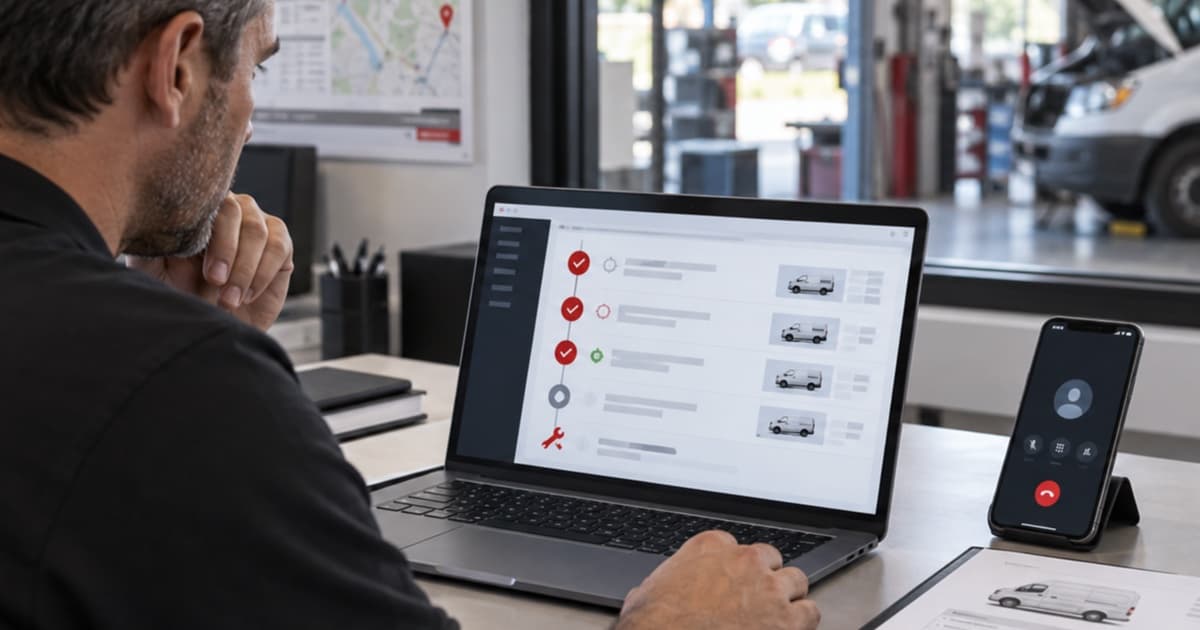
The USPS corruption case is, at its core, a technology failure. Modern fleet management platforms can enforce the transparency, audit trails, and compliance guardrails that manual processes cannot. That reality is drawing new entrants into the space — U.S. Bank Voyager's recent push into fleet management services signals that financial institutions see an opening where operational oversight and financial controls converge.
The established players are responding by broadening their scope. Telematics-focused platforms like Samsara and Geotab continue to own vehicle tracking and driver safety, while operational platforms such as Fleetio, Proaction, and TMT are expanding into comprehensive workflow management — vendor oversight, compliance monitoring, and cost analytics rolled into a single system. For fleet leaders managing complex contractor relationships, the technology to prevent USPS-style failures already exists. The question is whether your organization has deployed it.