Bulk Rate Data, AI Dashboards, and the Tech Bets That Matter in 2026
SONAR cracks open bulk freight's black-box pricing for the first time, new AI platforms promise to replace spreadsheets with natural-language queries, and small fleets prove that survival still hinges on picking the right tools -- not all of them.
Bulk Freight Finally Gets the Rate Transparency Van Haulers Have Had for Years
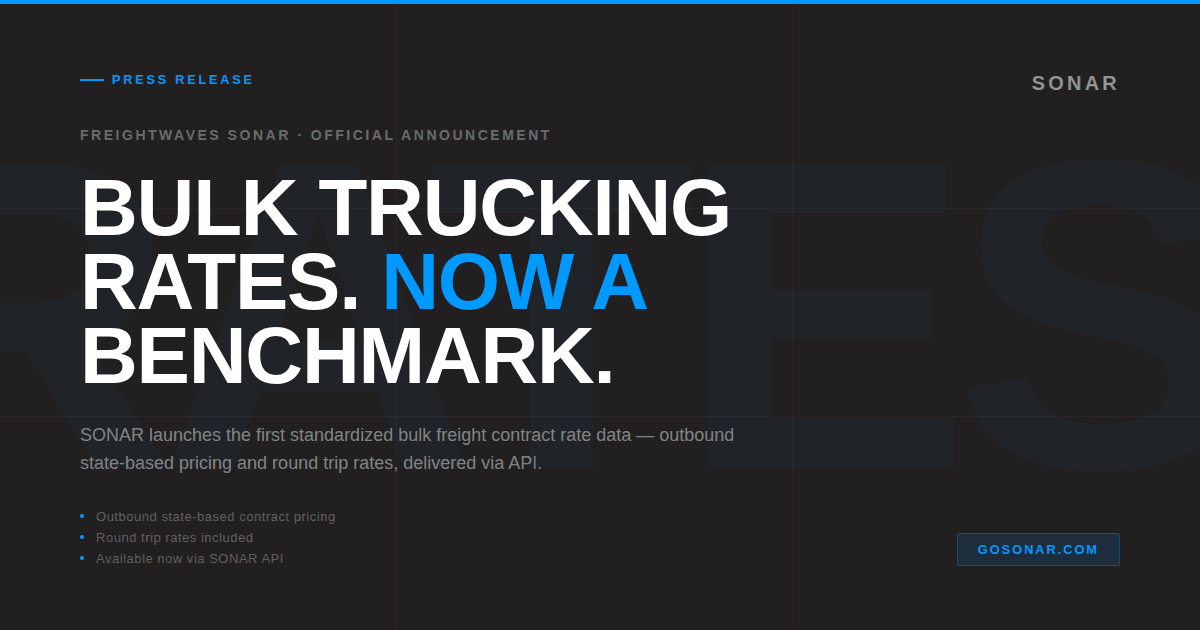
For decades, bulk trucking has been freight's last pricing black box. Carriers hauling agricultural products, chemicals, and construction materials negotiated contracts on relationships and gut feel while their van counterparts benchmarked against a wealth of market data. That era is over. SONAR's April 2026 launch of Bulk Rates within its API delivers outbound state-level pricing and round-trip rate benchmarks to shippers, carriers, and logistics operators — the first standardized dataset this segment has ever had.
The practical upside for fleet managers is immediate. Operations leaders running bulk divisions can now validate contract rates against real market benchmarks instead of relying on broker hearsay or stale survey data. Route planning gets sharper when you can compare outbound and round-trip economics at the state level. And procurement teams finally have ammunition for negotiations that used to come down to whoever blinked first.
The timing matters. With economy-driven M&A expected to accelerate through the back half of 2026, carriers that price intelligently — rather than reactively — will be the ones doing the acquiring, not getting acquired.
Small Fleets Are Still Standing -- and They're Picking Tech More Carefully Than You Think
Every year brings fresh predictions that small carriers will consolidate into oblivion. Every year, they prove the forecasters wrong. As Heavy Duty Trucking recently noted, small fleets are surviving through specialization and customer relationships that asset-heavy mega-carriers struggle to replicate.
That does not mean they are ignoring technology. The difference is discipline. Rather than chasing comprehensive digital transformation, the most resilient small operators are making surgical tech bets — telematics from Geotab or Samsara for compliance and safety, platforms like Fleetio or Proaction for maintenance workflows — without blowing up their IT budgets or retraining their entire shop. The tools gaining traction in this segment share one trait: they plug into existing operations instead of demanding a wholesale overhaul.
For larger fleets watching from the sidelines, there is a lesson here. The highest-ROI technology investments solve a specific, painful problem today rather than promising a vague transformation tomorrow.
New Platforms Are Flooding the Market -- Here's What Separates the Contenders
The fleet management technology field got more crowded in early 2026. Andy Transport spun up a dedicated fleet management and maintenance venture. MiX Telematics launched MiX Fleet Manager in March, joining an already packed arena alongside Omnitracs, Platform Science, and Trimble. Even fuel and service providers are muscling in: ExxonMobil rolled out an online fleet management program in February, and Pilot Flying J debuted a new Truck Care portal.
Proliferation is not the same as progress. The platforms gaining real traction share a common design philosophy: workflow integration over standalone functionality. Decisiv's service relationship management and Proaction's unified operations platform are winning adopters because they connect maintenance, vendor management, and analytics in a single pane of glass — not because they check the most feature boxes on a spec sheet.
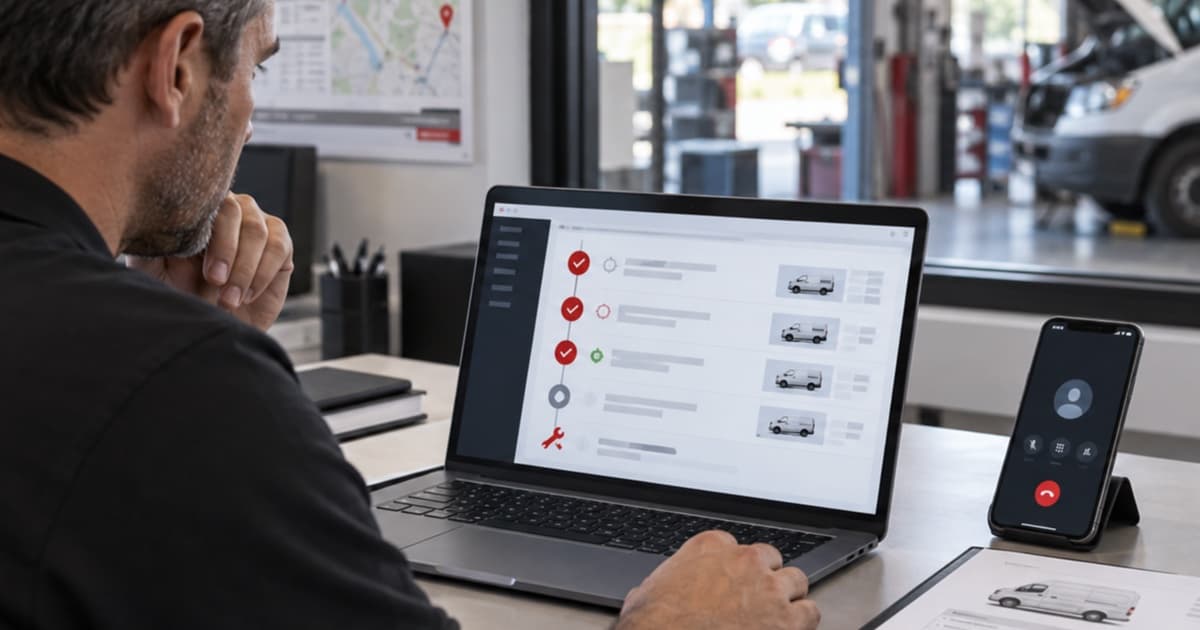
The next frontier is already visible. AI-powered natural-language querying — the ability to ask a dashboard a plain-English question and get an actionable answer — is moving from demo-stage novelty to production reality. Tools like Proaction's Explore feature point toward a future where fleet managers spend less time wrestling spreadsheets and more time acting on insights. That shift will reward organizations that have clean, connected data today.
The Bottom Line for Fleet Leaders
The technology landscape is evolving fast, but the strategic calculus has not changed. Data-driven pricing, targeted tool adoption, and integrated platforms are the three levers that separate fleets positioning for growth from those bracing for disruption. SONAR's bulk rate data gives pricing teams a new edge. Focused technology bets — not moonshot transformations — keep small and mid-size operators competitive. And platforms that unify workflows will outperform point solutions as operations grow more complex.
Fleet managers who act on these shifts now will have options when the next wave of consolidation hits. Those who wait will be the options.