Fleet Technology Evolution and Industry Pressures Shape 2026 Outlook
AI-powered fleet management platforms gain traction as maintenance costs rise and fuel price volatility creates new operational challenges for carriers.

AI and Next-Generation Fleet Technology Drive Innovation
The fleet management landscape is experiencing a significant transformation as artificial intelligence and advanced analytics reshape how carriers operate. Neil Cawse, CEO of Geotab, emphasizes that fleet managers must "adapt or die" as AI rapidly reinvents traditional fleet management approaches. This technological revolution is moving beyond basic GPS tracking toward comprehensive operational platforms that integrate multiple data streams.
The shift represents a fundamental change from simple vehicle location services to sophisticated predictive analytics. Platforms like Samsara, Geotab, and emerging solutions such as Proaction's Explore tool exemplify the trend toward AI-powered fleet analytics that can transform raw data into actionable insights through plain-English queries. This evolution is particularly critical as fleets face mounting pressure to optimize operations amid rising costs and regulatory complexity.
Several major partnerships are accelerating this technological adoption. Fleetio and Motive recently announced a joint fleet maintenance and optimization platform, while Werner has integrated with Navistar's 360 Fleet Management Platform. These collaborations signal an industry-wide push toward unified systems that eliminate data silos and provide comprehensive operational visibility.
Maintenance Challenges and Rising Operational Costs
Fleet maintenance has emerged as a critical pressure point for operators, with aging vehicle fleets straining budgets and operational efficiency. According to recent benchmark data from Fleetio, aging vehicles and rising maintenance costs are placing unprecedented strain on fleet operations. This challenge is compounded by supply chain disruptions and technician shortages that extend repair times and increase total cost of ownership.
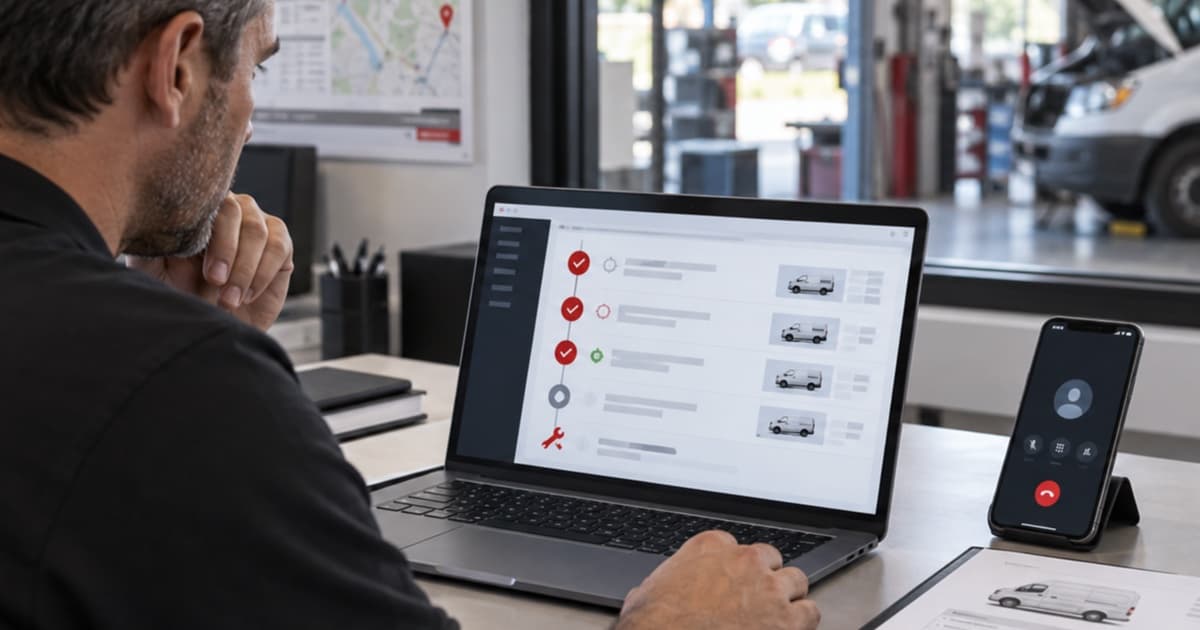
What keeps maintenance managers awake at night has evolved beyond routine repairs to encompass predictive maintenance strategies and technology integration. Solutions from companies like Fleetio, Proaction, TMT, and Decisiv are competing to become the operational backbone for fleet managers seeking to streamline maintenance workflows and reduce unplanned downtime. The integration capabilities of these platforms with existing telematics providers like Samsara and Geotab is becoming increasingly important as fleets demand unified data ecosystems.
Several companies are expanding their service capabilities to address these challenges. Ryder has rolled out mobile maintenance services, bringing repairs directly to fleet locations, while Kooner Fleet Management launched FleetIQ to improve customer uptime through predictive analytics. Andy Transport has also entered the fleet management and maintenance venture space, indicating growing market demand for specialized service providers.
Fuel Price Volatility and Economic Pressures
Geopolitical instability is creating significant fuel cost pressures that are hitting fleet operations with unprecedented speed. Mike Kucharski, vice president of refrigerated carrier JKC Trucking, warns that diesel price spikes tied to Middle East conflicts are squeezing carriers already struggling with weak freight rates. This double impact of rising operational costs and declining revenue is forcing fleets to accelerate technology adoption and operational optimization efforts.
The economic pressures extend beyond fuel costs to encompass broader market challenges. Small trucking fleets, in particular, are finding ways to remain competitive despite these headwinds, often through strategic technology investments and operational efficiency improvements. The trucking industry maintains optimism about the year ahead, according to recent TCP analysis, but this optimism is tempered by realistic assessments of ongoing challenges.
Fleet managers are increasingly turning to comprehensive fuel management programs to mitigate these pressures. ExxonMobil has launched online fleet management programs, while Wex has partnered with Trucker Path to boost fleet efficiency and improve driver experience through integrated fuel and logistics solutions.
Industry Recognition and Professional Development
As the industry evolves, professional development and recognition programs are adapting to address new challenges and opportunities. Heavy Duty Trucking is currently searching for the top green fleets of 2026, highlighting the growing importance of sustainability initiatives in fleet operations. This focus on environmental responsibility is driving adoption of alternative fuel technologies and efficiency-focused fleet management practices.
Professional development initiatives are expanding to meet changing industry needs. The National Private Truck Council (NPTC) has announced a Private Fleet Management Institute, while NAFA has launched a "Beyond Fleet" campaign specifically targeting fleet managers. These programs recognize that modern fleet management requires a broader skill set encompassing technology integration, data analytics, and strategic planning.
The industry is also seeing significant corporate developments that may reshape competitive dynamics. Reports indicate that PHH is in talks to sell its fleet business, while USA Truck has returned to American ownership through acquisition from DSV. These moves reflect ongoing consolidation pressures and the need for scale to compete effectively in an increasingly technology-driven market.
Looking ahead, fleet managers must navigate this complex landscape of technological innovation, cost pressures, and operational challenges while maintaining service quality and regulatory compliance. Success will increasingly depend on adopting integrated technology platforms that provide comprehensive operational visibility and predictive capabilities.