Fleet Management Platforms Are Consolidating Fast -- Here's What to Watch
Established providers are expanding their platforms with AI-driven features and mobile tools, while strategic partnerships signal a new wave of fleet tech consolidation.
The Platform Arms Race Is On
Fleet management technology is entering a consolidation phase that mirrors what happened in CRM and ERP software a decade ago. Established providers are expanding aggressively -- adding AI capabilities, mobile apps, and integrated workflows -- while smaller players either partner up or get absorbed. For fleet managers, the question is no longer which vendor has the best single feature. It's which platform can serve as the operational backbone.
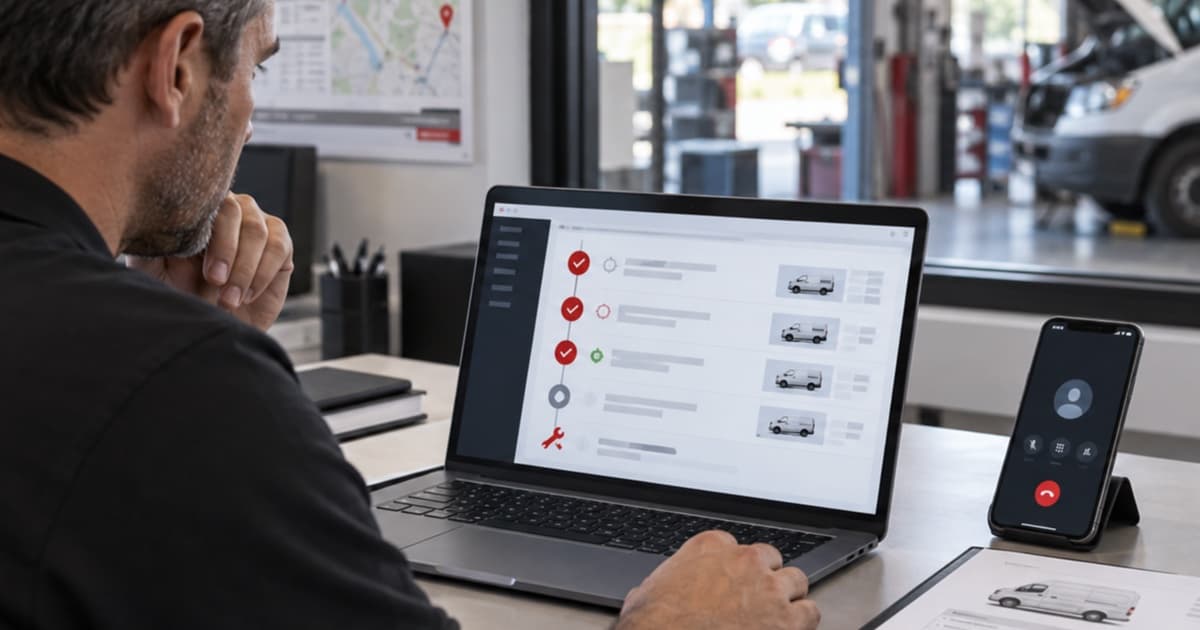
Several notable moves are shaping the landscape. Penske's AI-driven management platform now offers dynamic fleet benchmarking, letting operators compare their performance metrics against industry peers in real time. Fleetio's mobile app updates reflect the broader shift toward field-accessible data -- fleet managers and technicians expect to access critical information from the shop floor, not just a desktop. Platforms like Proaction are pushing further, combining inspections, maintenance, and compliance workflows into a single system rather than requiring integrations between separate tools.
Partnerships Are Filling the Gaps
Where organic development moves slowly, strategic partnerships are accelerating capability. Telecommunications providers have entered the space alongside traditional fleet software vendors, offering connectivity infrastructure alongside management tools. The result is a more competitive market for fleet managers -- but also a more complex vendor landscape to navigate.
The partnerships worth watching are those that bridge telematics data with maintenance workflows. Fleets running disconnected systems -- separate platforms for GPS tracking, work orders, compliance, and driver management -- are increasingly feeling the inefficiency. Vendors that can close those gaps through integration or acquisition are gaining share.
What Fleet Managers Should Do Now
With consolidation accelerating, now is a good time to audit your technology stack. Identify which platforms you're actually using versus paying for, and map where data isn't flowing between systems. The fleets best positioned for this wave are those that have already standardized on a core platform and are adding capabilities on top -- not those managing five separate point solutions.
Professional development is keeping pace with the technology changes. The Truckload Carriers Association and NAFA both offer resources for fleet managers navigating platform decisions. The vendors pushing hardest on education and training tend to be the ones building for long-term relationships -- worth factoring into vendor evaluation alongside feature lists and pricing.