Holiday Fuel Safety and AI Innovation Shape Fleet Management Focus
Fleet managers face critical fuel management challenges during holidays while AI technology promises to transform operational efficiency.
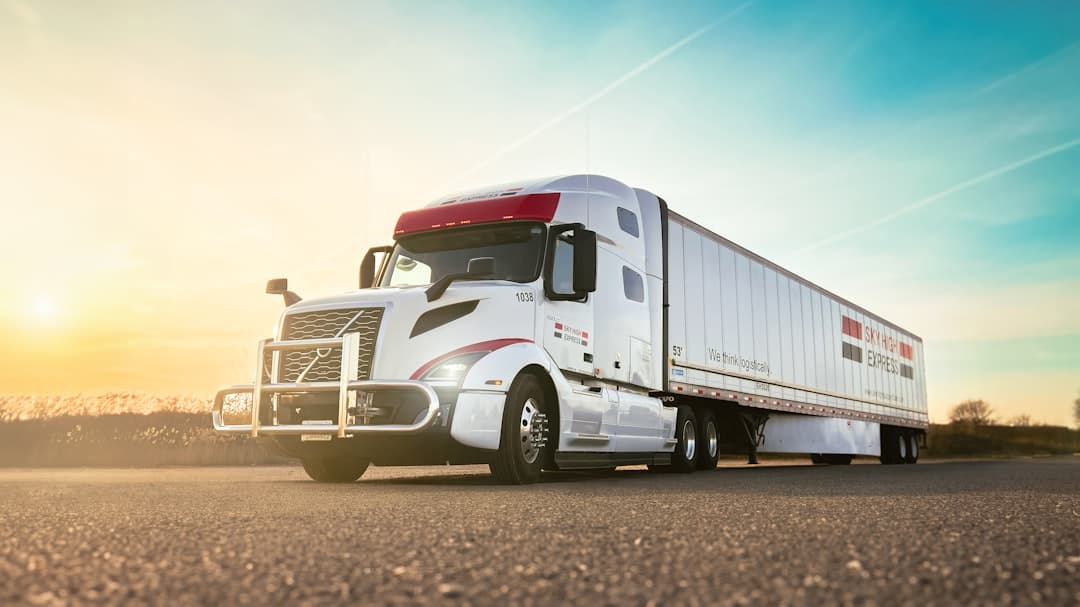
Holiday Fuel Management Demands Strategic Planning
Fleet managers entering the holiday season face heightened fuel management challenges that require proactive planning and robust safety protocols. The combination of increased traffic, extreme weather conditions, and operational pressures during peak shipping periods creates a perfect storm for fuel-related incidents and inefficiencies.
During holiday operations, fleets typically experience 20-30% higher fuel consumption due to extended idling times in traffic congestion and increased delivery volumes. This surge in fuel usage coincides with higher fuel prices and limited availability at some locations, making strategic fuel management more critical than ever. Fleet managers must balance cost optimization with safety requirements, ensuring drivers have adequate fuel reserves while minimizing unnecessary stops in high-crime or weather-affected areas.
The complexity extends beyond simple fuel procurement. Holiday schedules often disrupt normal refueling patterns, forcing drivers to use unfamiliar fuel stations or rely on emergency refueling services. These situations increase the risk of fuel contamination, fraud, and security incidents. Effective holiday fuel management requires pre-planning fuel stops, establishing relationships with reliable fuel network partners, and implementing real-time monitoring systems to track fuel usage and identify potential issues before they become critical.
AI Technology Revolutionizes Fleet Operations
The fleet management industry is experiencing a technological transformation driven by artificial intelligence, with companies like Fuuz leading the charge in developing AI-powered solutions that address complex operational challenges. Craig Scott, founder of Fuuz, represents a new generation of fleet technology innovators who recognize that traditional fleet management approaches are insufficient for modern operational demands.
AI applications in fleet management extend far beyond basic route optimization. Advanced machine learning algorithms now analyze vast datasets combining vehicle telematics, driver behavior, weather conditions, traffic patterns, and fuel prices to make real-time operational decisions. These systems can predict maintenance needs, optimize fuel purchasing strategies, and even anticipate driver fatigue before it becomes a safety concern.
The integration of AI with existing fleet technologies creates unprecedented opportunities for operational efficiency. Modern AI platforms can process data from multiple sources simultaneously, including traditional telematics providers like Samsara and Geotab, maintenance management systems like Fleetio, and comprehensive fleet operations platforms. This data integration enables fleet managers to make informed decisions based on comprehensive operational insights rather than isolated metrics.
Scott's insights into AI implementation reveal that successful adoption requires more than just technology deployment. Fleet organizations must develop data literacy among their teams and establish clear protocols for acting on AI-generated recommendations. The most successful implementations combine AI capabilities with human expertise, using technology to enhance decision-making rather than replace experienced fleet professionals.
Operational Integration Challenges and Solutions
The convergence of immediate operational needs like holiday fuel management with long-term technology adoption creates unique challenges for fleet managers. Organizations must simultaneously address short-term operational demands while building capabilities for future technological integration.
Successful fleet operations during high-stress periods like holidays depend on having integrated systems that provide real-time visibility into fuel levels, vehicle locations, driver status, and operational metrics. This integration becomes more complex when organizations are simultaneously implementing new AI-powered tools while maintaining existing operational workflows. Fleet managers report that the most effective approach involves gradual technology adoption that enhances existing processes rather than completely replacing established procedures.
The key to managing this complexity lies in selecting technology solutions that integrate seamlessly with existing fleet management ecosystems. Platforms that can connect with multiple data sources and provide unified operational visibility help fleet managers maintain control during challenging operational periods while building foundation capabilities for AI implementation. This integration capability proves particularly valuable during holiday operations when managers need comprehensive visibility into fuel management, driver safety, and operational efficiency simultaneously.
Industry Implications and Future Outlook
The fleet management industry is approaching an inflection point where traditional operational challenges must be solved using increasingly sophisticated technological tools. The combination of immediate operational pressures and rapid technological advancement requires fleet managers to develop new competencies while maintaining operational excellence.
Industry experts predict that AI adoption in fleet management will accelerate significantly over the next 24 months, driven by competitive pressures and operational efficiency demands. However, successful implementation will depend on organizations' ability to integrate AI capabilities with fundamental operational disciplines like fuel management, safety protocols, and maintenance scheduling.
The most successful fleet organizations will be those that master both tactical operational excellence and strategic technology adoption. This dual focus requires investment in both immediate operational capabilities and long-term technological infrastructure. Fleet managers who can effectively balance these priorities will position their organizations for sustained competitive advantage in an increasingly complex operational environment.
Looking ahead, the integration of AI technology with traditional fleet management disciplines promises to create new operational capabilities that were previously impossible. However, realizing these benefits requires fleet managers to maintain focus on fundamental operational principles while embracing technological innovation. The organizations that successfully navigate this transition will set new standards for fleet operational excellence and efficiency.